
The Customer Only Wanted Plate — One Extra Question Became a Tray Order
The order started as a few 200 mm × 200 mm stainless plates, dimensions stated crisply. One extra question — what is it for? — surfaced the real need: trays, with fairly high surface demands. We built the whole process plan, the customer liked it and placed a large order. 304 material; both pictures here are real photos of the customer’s sample tray, before and after our surface treatment.
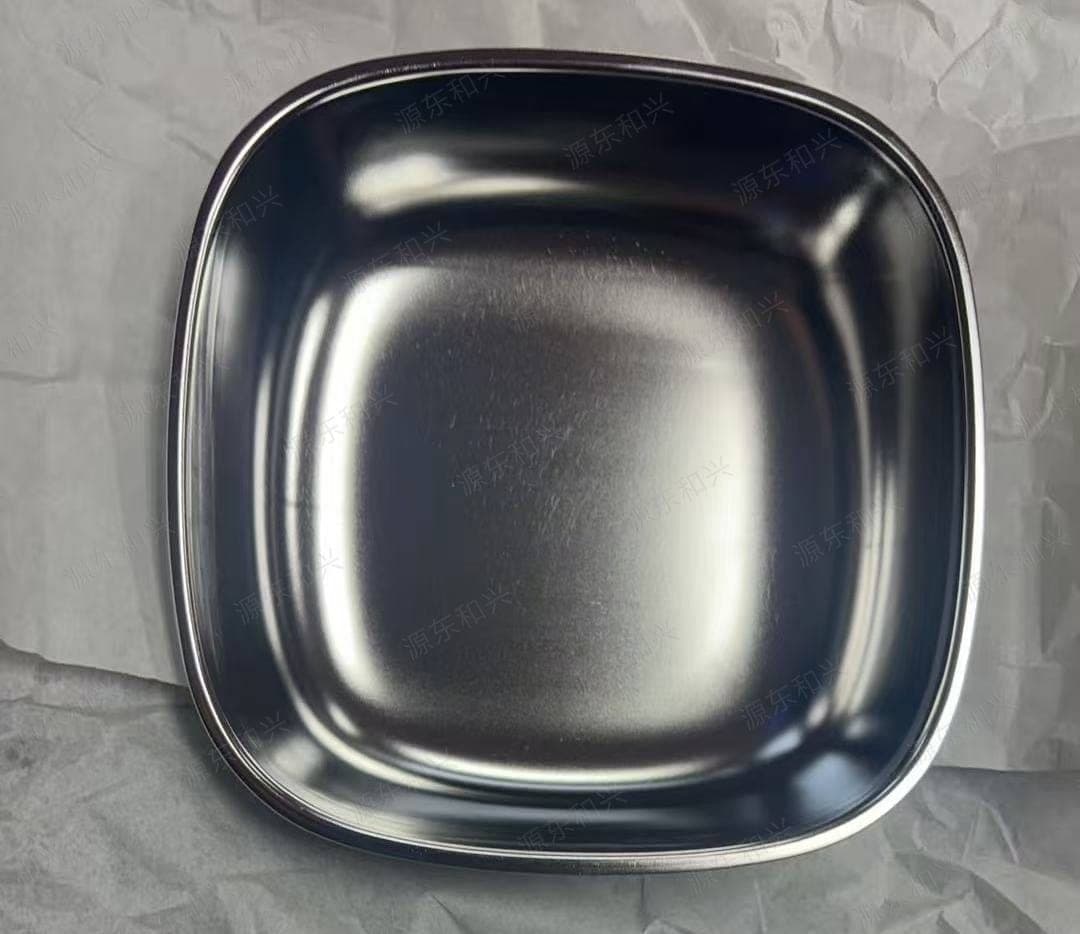
This page starts with one extra question
The customer came for a few sheets of stainless plate, 200 mm × 200 mm, dimensions stated crisply. We asked one thing more: what will the plates be used for? That question surfaced the real need — the customer was actually making trays, with fairly high demands on the surface finish. Buying plate is only step one; a tray needs a finished product: how the surface is worked, how the edges land, which processes run in what order — all of it has to follow "what it is like in use".
We built the plan; the customer placed the order
Working from "the tray must be pleasant to use and the surface must bear close looking", we put the whole process plan together. The customer liked it and ended up placing a large order. The material is 304 — enough for everyday trays. Both pictures on this page are real photos of the customer’s own tray sample, before and after the surface treatment we ran in the shop.
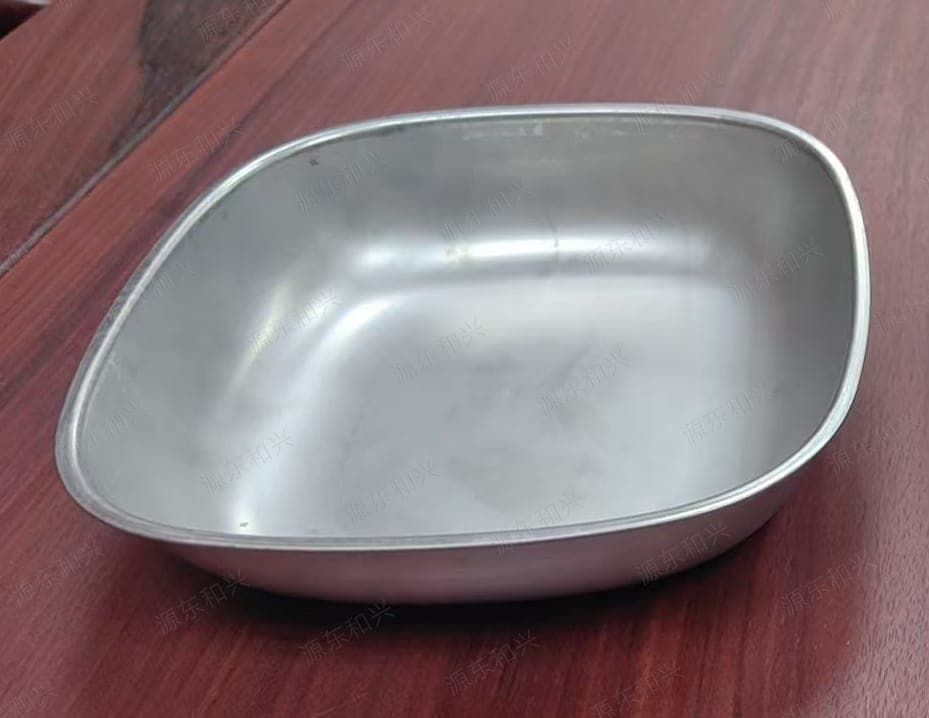
This order, stated plainly
| Item | This order |
|---|---|
| What the customer first asked for | A few 200 mm × 200 mm stainless plates |
| The real use | Trays — a finished product, not raw sheet |
| Material | 304 |
| Surface demand | Fairly high — see the before/after photos of the sample on this page |
| Our role | From selling plate to delivering the whole plan |
Surface treatment, before and after side by side
The customer’s phrase "fairly high surface demands" came with a concrete reference this time — an actual tray sent to us. The same tray, before and after our surface treatment, two real photos side by side: how even the reflections run, you can tell at a glance. Don’t write standards on paper; make the part and one look settles it.
Two questions this draws
I just want to buy plate — do you care what I use it for?
We will ask one thing more — not to interfere, but to save you from buying wrong: the use decides grade, surface and processing, and buying raw plate often means rework at the finished-product step. Tell us the use and we will think up the plan — drawings, dimensions, or just one line saying what you are making.
How do material and surface get accepted?
The contract states the grade and the requirements; before any volume run, a sample settles what "looks right" means — this order was confirmed exactly that way. "Fairly high" surface demands become concrete clauses in the contract; if we cannot build it, we do not promise it.
One part per page
The product gallery runs one part per page: what it looks like, how it is made, what our own output really is. The previous page is the drain grating with no visible welds; grade choices are in choosing the grade. Customers usually bring a fuzzy need; what gets delivered must be a finished product — tell us the use via Contact and we will think up the plan.
Other articles in this section
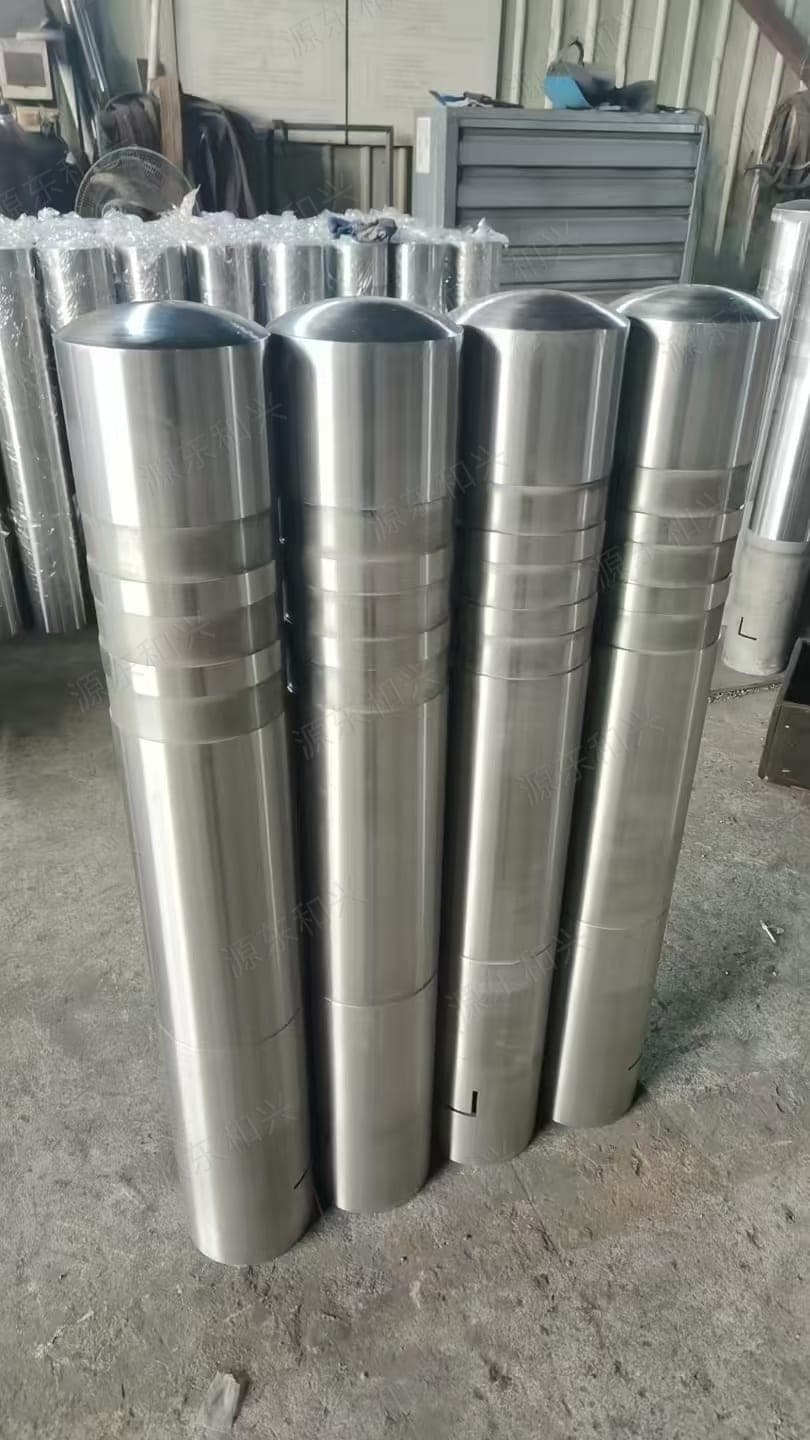
Stainless Bollard Styles: Fixed, Removable and Yellow-Black
On our drawings they are called vehicle stop posts; everyone else calls them bollards. The regular styles come down to a handful: plain tube on a flange, ring-grooved posts with reflective film, yellow-black striped posts, and removable posts you pull out to let traffic through. This gallery pairs each style with a picture — three cut-out product shots of real posts, six real photos from the workshop and the sites.
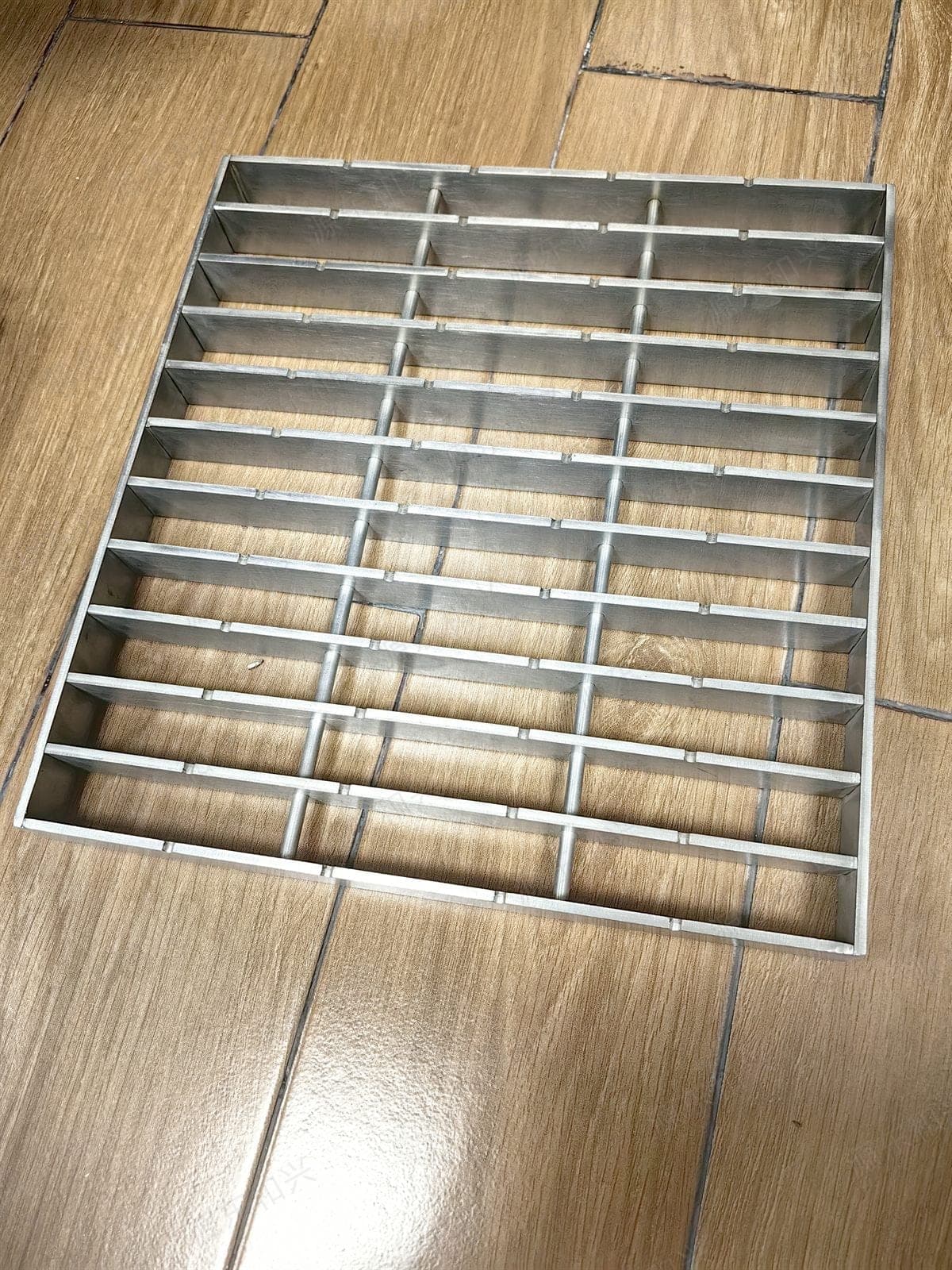
A Drain Grating With No Visible Welds: Mortise-Tenon Fit-Up, Back-Side Welding, Ground Frame
A Japanese customer’s drain grating order with one requirement: no welds visible from outside. Routine work puts every weld on the front, so we borrowed the mortise-and-tenon idea: tenons laser-cut on each bar end, notches in the frame, engage first, weld from the back, then grind the frame. 316L plate, 6 mm thick — five real workshop photos, including a scrapped prototype.