
Featured customer projects
Over 1,000 customers served. Browse these selected cases — open one for details, or ask us to make a part like it.
Shunde Fisherman's Wharf · Bollards and Mesh River Screen
Turning + Welding (TIG) + Weld Blending
Shunde Fisherman's Wharf, on the Ronggui waterway, draws a lot of foot traffic. Over 100 bollards line the main road, mesh screens along the bank. Each post is 1.1 m long, 0.6 m above ground, formed from 8 mm thick-wall tube, the bare tube alone over 50 kg; the cavity base takes C30 concrete, three reflective bands wrap the shaft, and the domed cap is a separate piece pressed on top. The plinth at the base is cored and backfilled on site. Posts 304, screens 201, visible welds blended flush.
Modular stainless steel water tank
Stamping + Press-brake Bending + Welding (TIG) + Weld Blending
Where mains pressure is low or supply is unreliable, water is stored first and pumped up later; towers, factories and parks all need it. Many tank orders go overseas, mainly into Southeast Asia. The tank goes out as standard pressed panels, assembled on site to the line: a rooftop unit is lifted up, one at grade goes together on the ground. Ladder, lid and flanged ports are prepared beforehand, so nothing is cut on site. Send the plan dimensions or a site photo and the size can be worked out.
Stainless meter cabinet with vision-panel doors
Laser Cutting + Press-brake Bending + Welding (TIG)
We have delivered many meter cabinets for projects in Hong Kong. On this kind of box we take the shell, the doors and the vision openings; meters, wiring and seals are fitted on site by the power supplier or the end user. Each door is formed as one piece with its frame, then given a uniform finish, with flush handles, drop bolts and hinges fitted before it leaves. Styles and dimensions follow the drawing; window margins, sealing method and left- or right-hand opening are agreed when ordering.
Framed mesh panels
Press-brake Bending + Welding (TIG)
A covered pedestrian walkway in Hong Kong: framed mesh panels fill the bays between posts and along the skylight bands. Mesh rather than solid panel keeps light and air moving; it is screening, not a walking surface. The mesh is welded to a formed frame, clipped at the corners. Panels go up by their numbers, so nothing is cut on site. Aperture, frame section and panel size follow the drawing and the site setting-out. Bulk packs ship with board separators, corner protectors, wrap and straps.
More cases and parts we can build to your drawings
We have the matching processes for the scenarios below. Send drawings or a sample and our engineer assesses process risks from the drawing, then quotes.
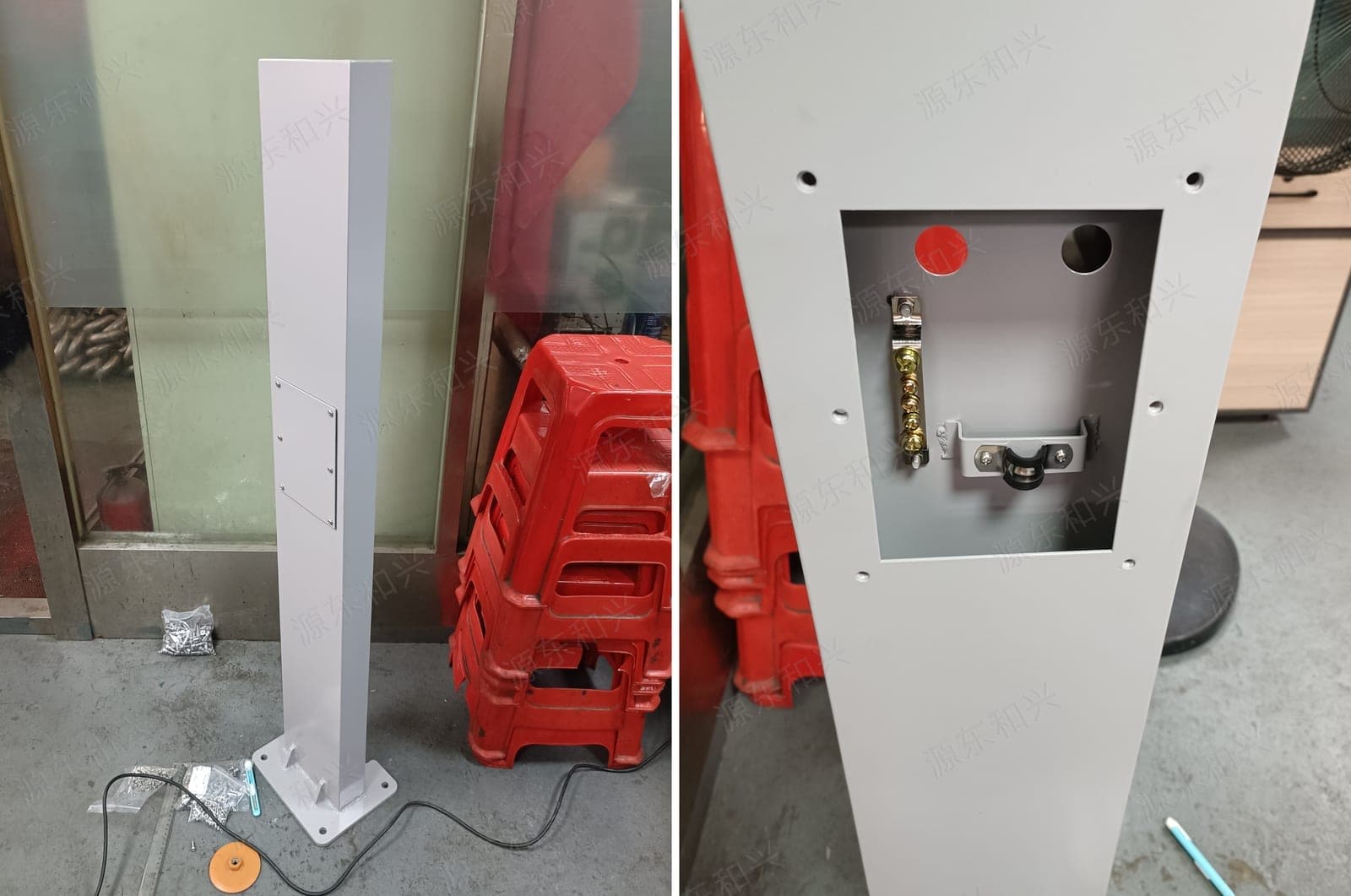
EV charge-post shells and outdoor enclosures
Laser cutting + bending + welding + powder coating
Outdoor chloride service calls for 316L. Powder coating covers the substrate, so grade and finish are quoted separately rather than inferred from one another; charging modules and internal wiring are fitted by the equipment supplier on site.
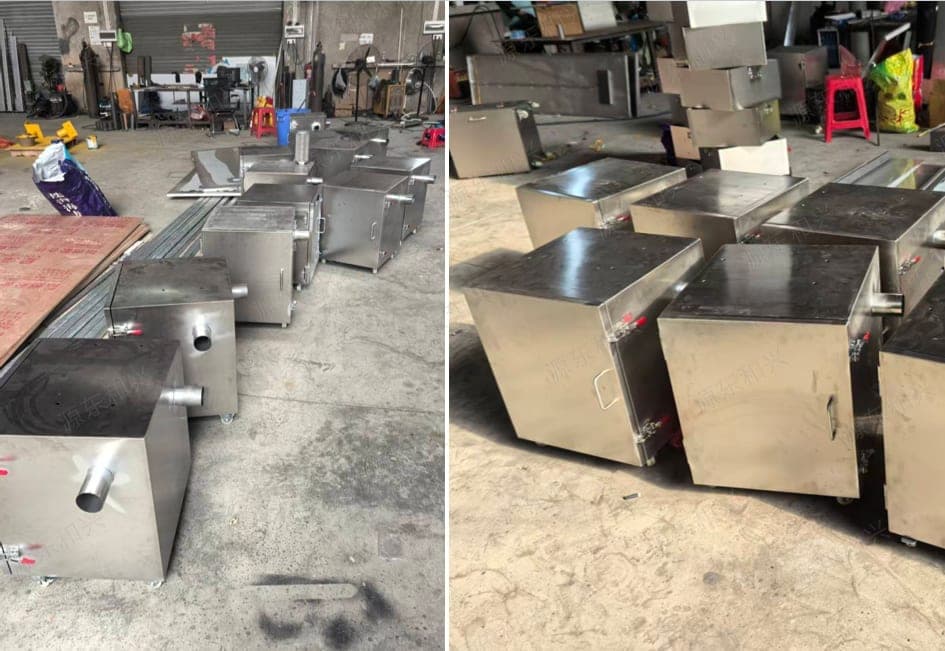
Dust extraction hoods and plant boxes
Laser cutting + bending + welding + blending + drilling
Fan position on top, inlet and outlet ports and the filter frame inside are all cut to the drawing; the base carries a water pan and a drain valve. Welds blended tight so the box draws no air is what it is signed off on.
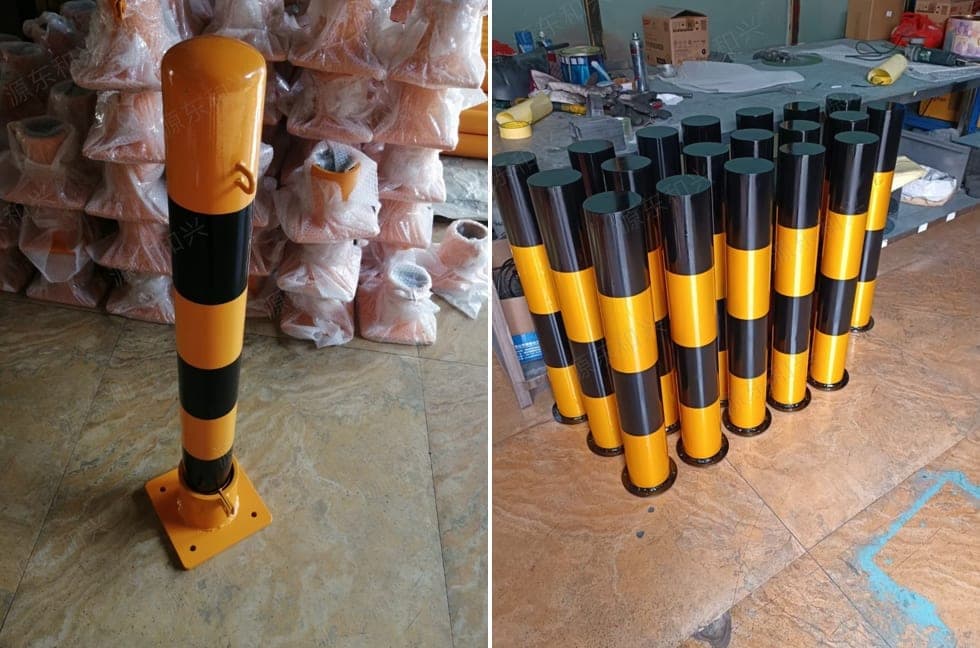
Balustrade posts and handrail parts
Laser cutting + bending + welding + blending
Welds on light-facing surfaces are blended flush with the parent metal. Waterside and open-air work starts at 316L, and wall thickness at the post mouth follows the drawing rather than the cheapest stock.
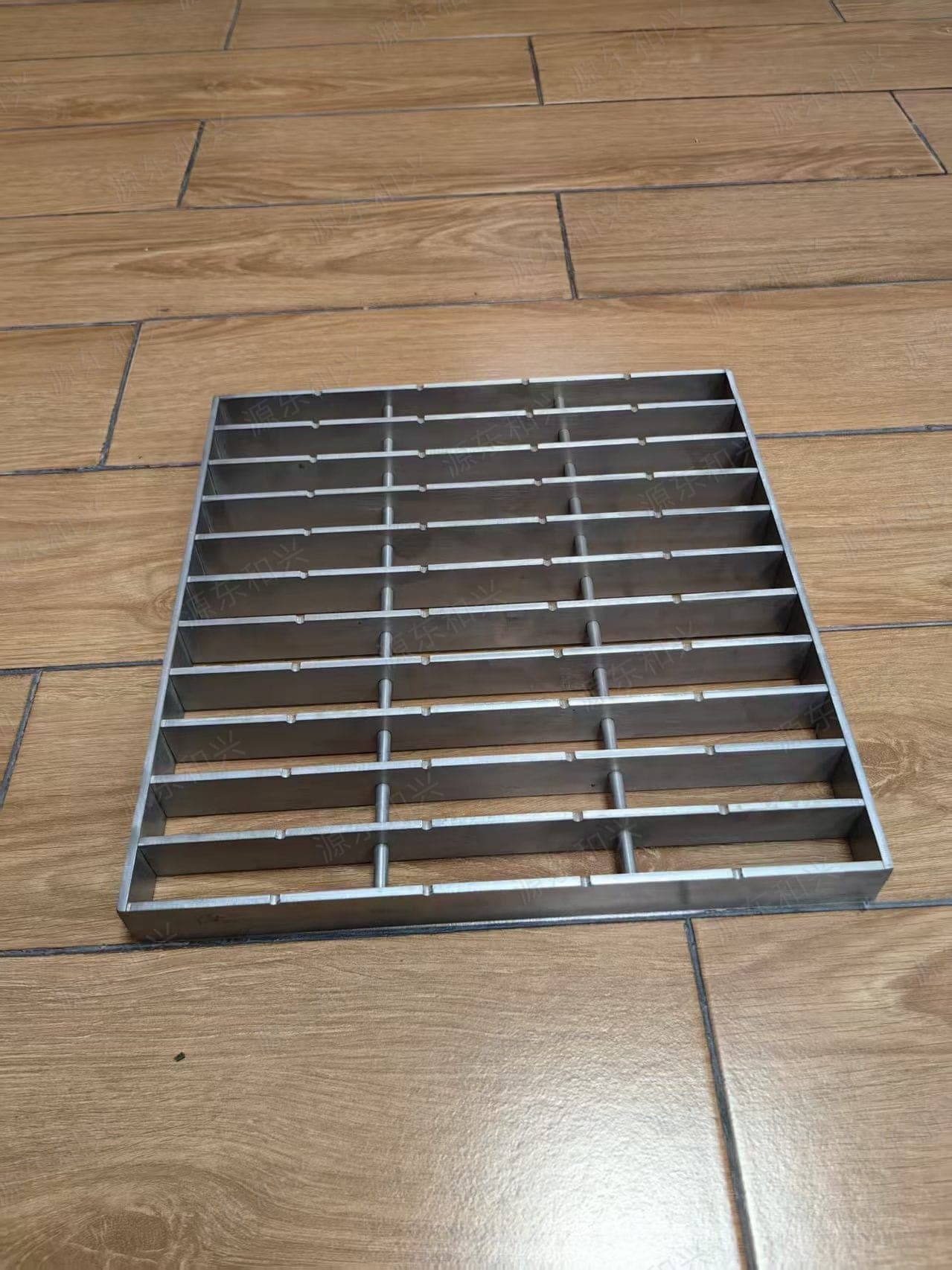
Drain grilles and channel covers
Laser cutting + welding + blending
Where no weld may show on the face the bars are interlocked instead: each bar keeps a stub at both ends, the frame is hole-cut, the bar drops in and is welded from the back, then the frame is blended. Plate thickness follows the drawing.
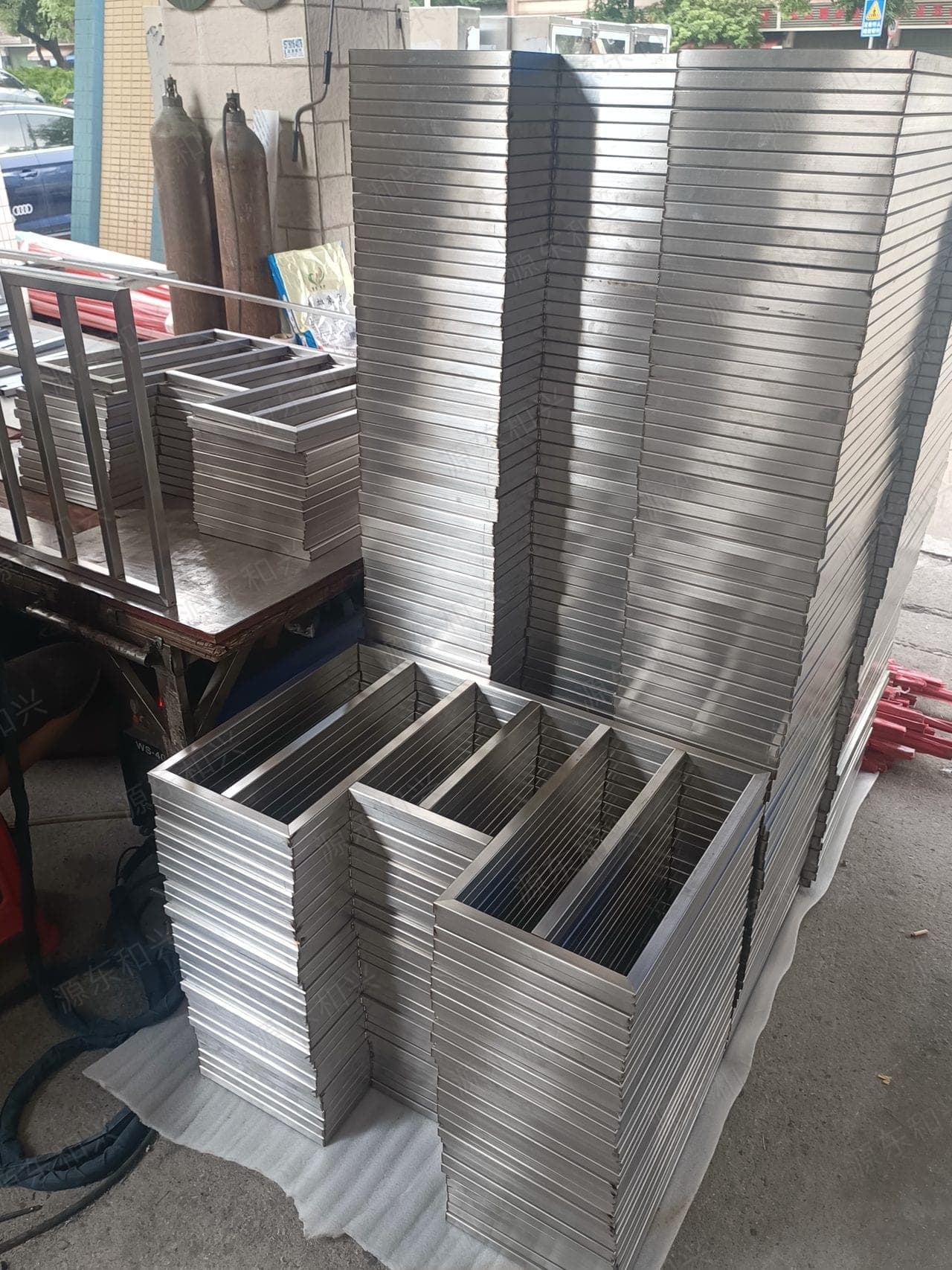
Window frames, louvres and facade parts
Laser cutting + bending + welding + blending
For window frames and louvres in schools and public buildings, flatness and even jointing are what get signed off. Blade angles and drain channels are cut in one program.
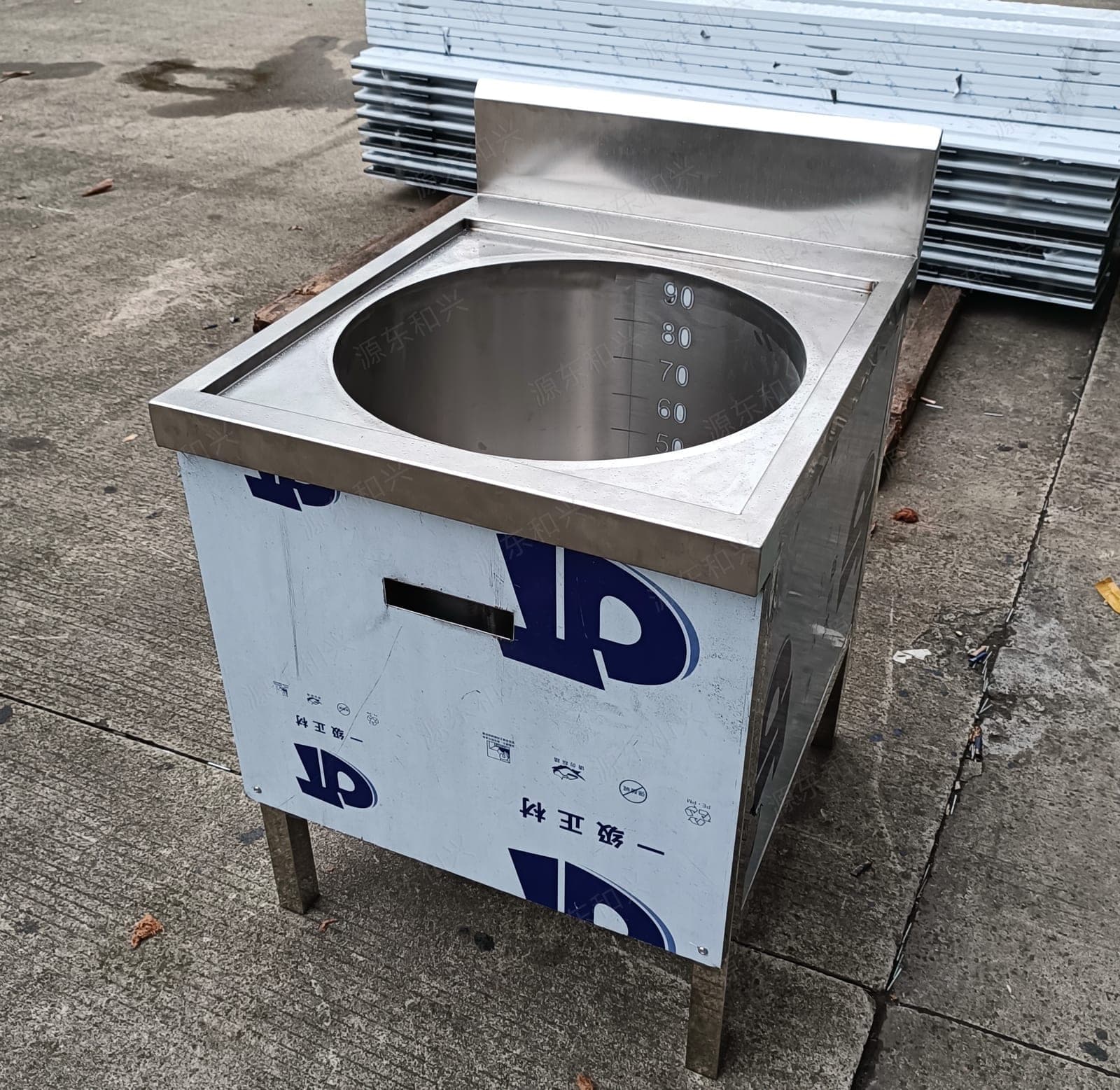
Kitchen plant and hob enclosures
Bending + welding + blending
Parts touching food or steam start at 304. For heated units we build the box, the top and the access panels to the drawing; heating elements and internal wiring are fitted by the equipment supplier.
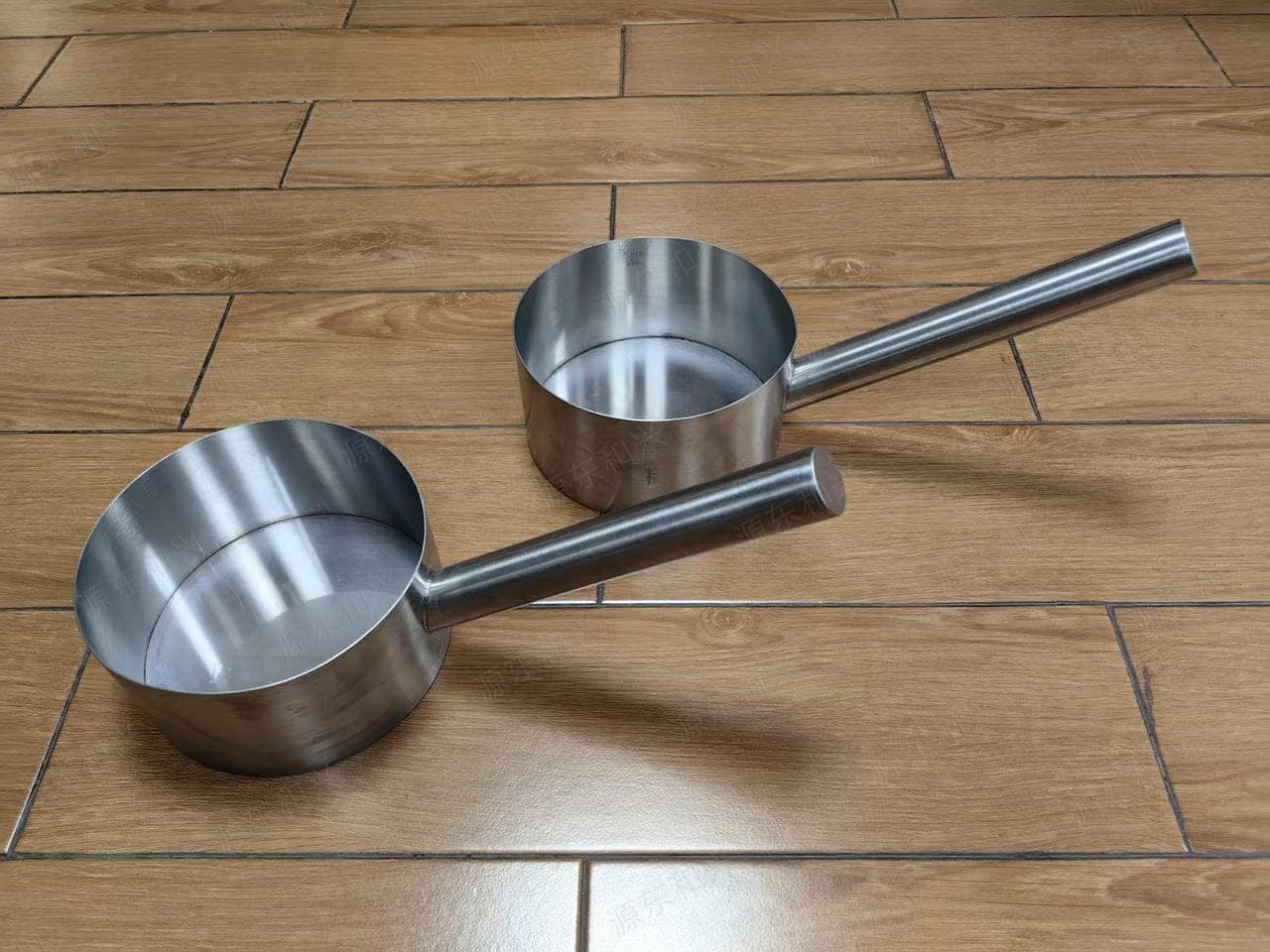
Induction-hob ladles and magnetic-base parts
Welding + blending + brushed finish
An induction hob needs magnetism, so the base is ferritic 430 while the side wall stays 304. The join between the two grades is checked for weld line and colour match.
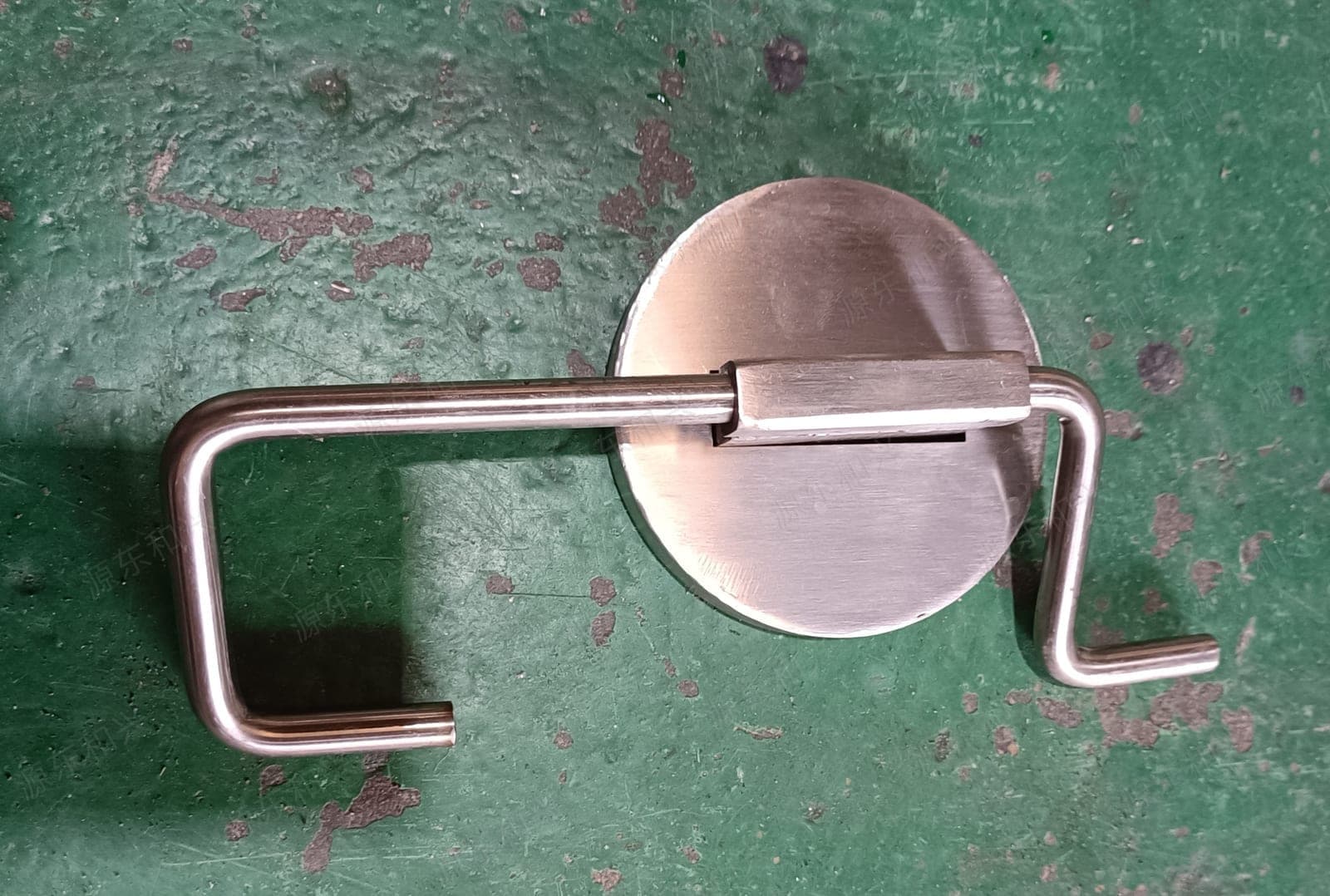
Hooks and small ironmongery
Bending + welding
Best value for small batches — one sheet is the minimum, no need to round up to a full tonne. Repeatability on standard parts comes from running one fixed program.
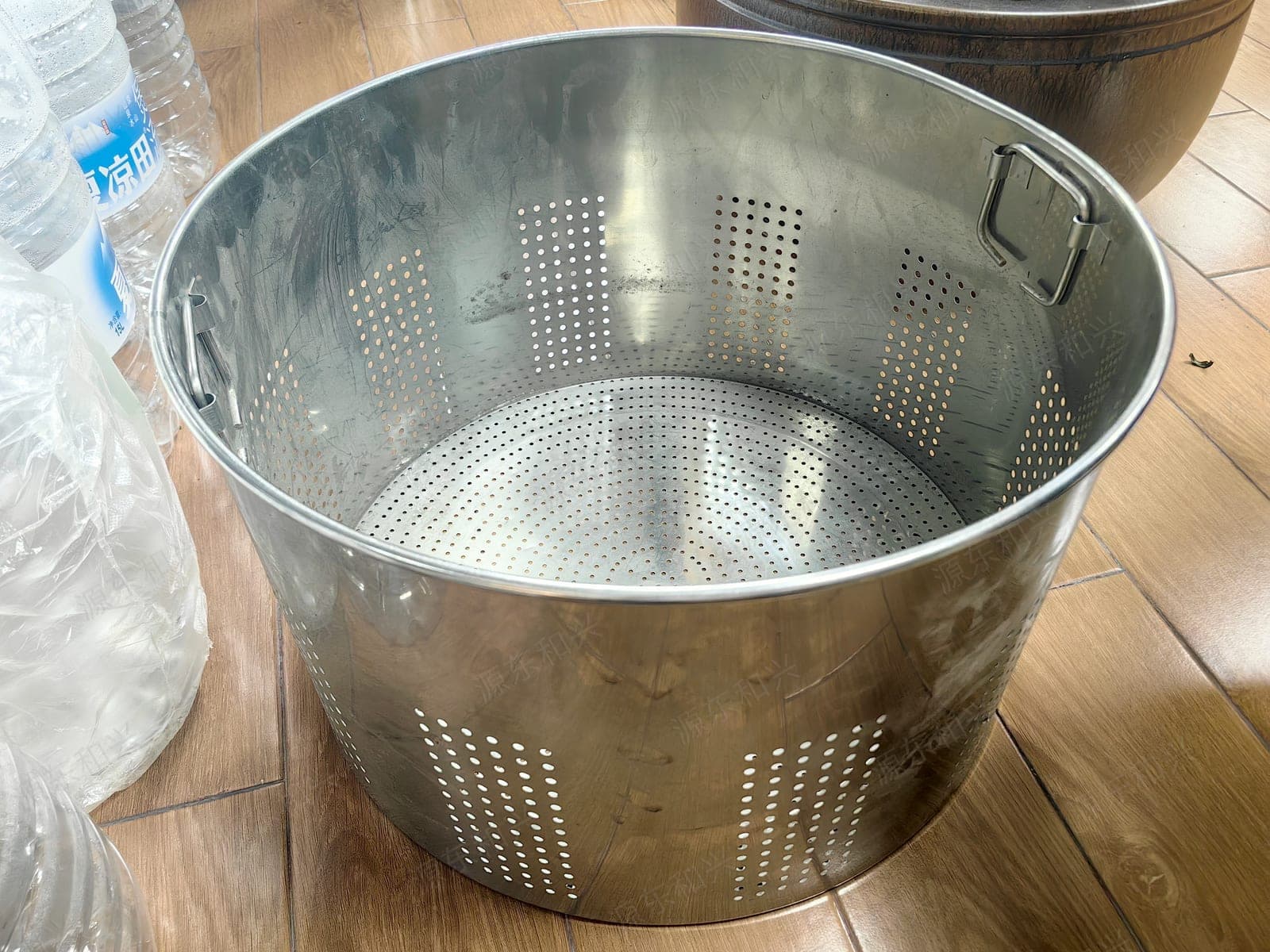
Screen trays and rolled, flanged parts
Laser cutting + bending + welding + circle rolling + flanging + blending
Rolling and flanging happen on the same run, so aperture size and open area hold to the drawing without a second set-up.
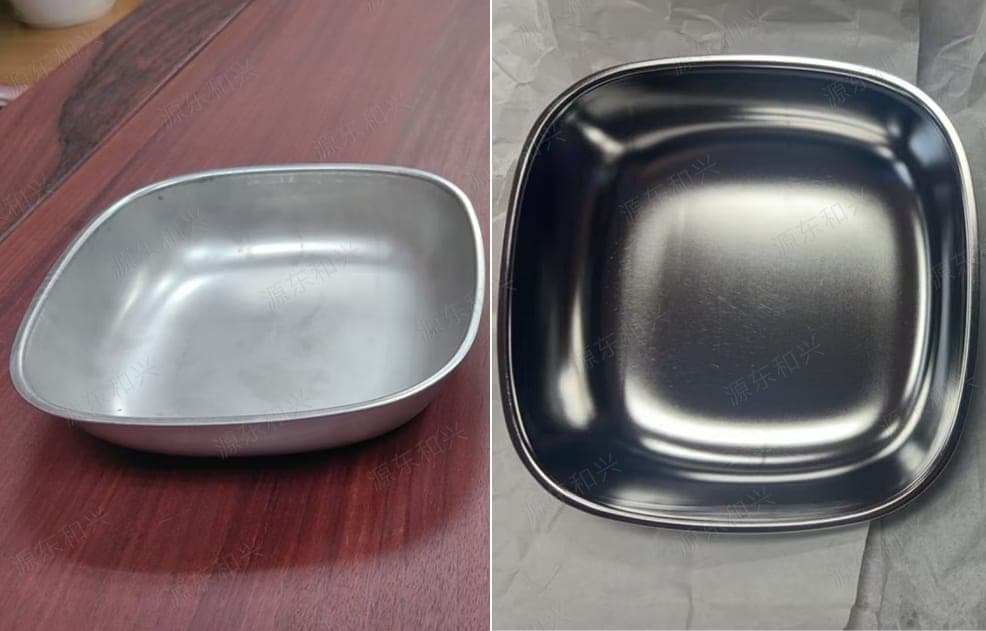
Trays for food service and for oven use
Press forming + electro-polishing + bending + welding
Food trays are press-formed then electro-polished for a brighter face than a brushed finish. Oven trays follow whatever material the customer specifies — galvanised sheet is not stainless, and that is said at quoting.
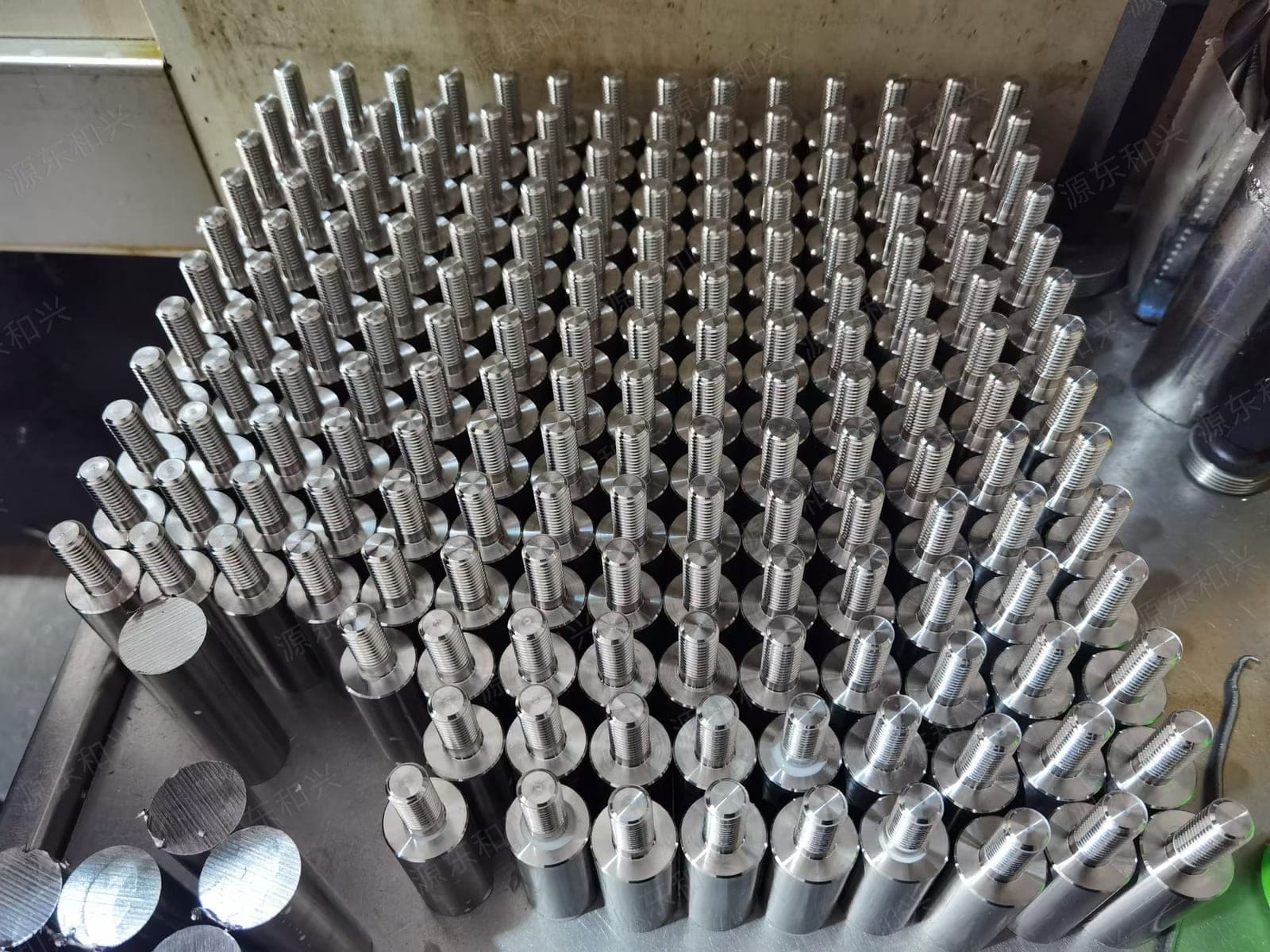
Milled and turned parts
Milling + turning
Drawings or physical samples both work: fits, holes and steps are machined to the print. Small parts go through machining, so there is no tooling to pay for.