
A Drain Grating With No Visible Welds: Mortise-Tenon Fit-Up, Back-Side Welding, Ground Frame
A Japanese customer’s drain grating order with one requirement: no welds visible from outside. Routine work puts every weld on the front, so we borrowed the mortise-and-tenon idea: tenons laser-cut on each bar end, notches in the frame, engage first, weld from the back, then grind the frame. 316L plate, 6 mm thick — five real workshop photos, including a scrapped prototype.
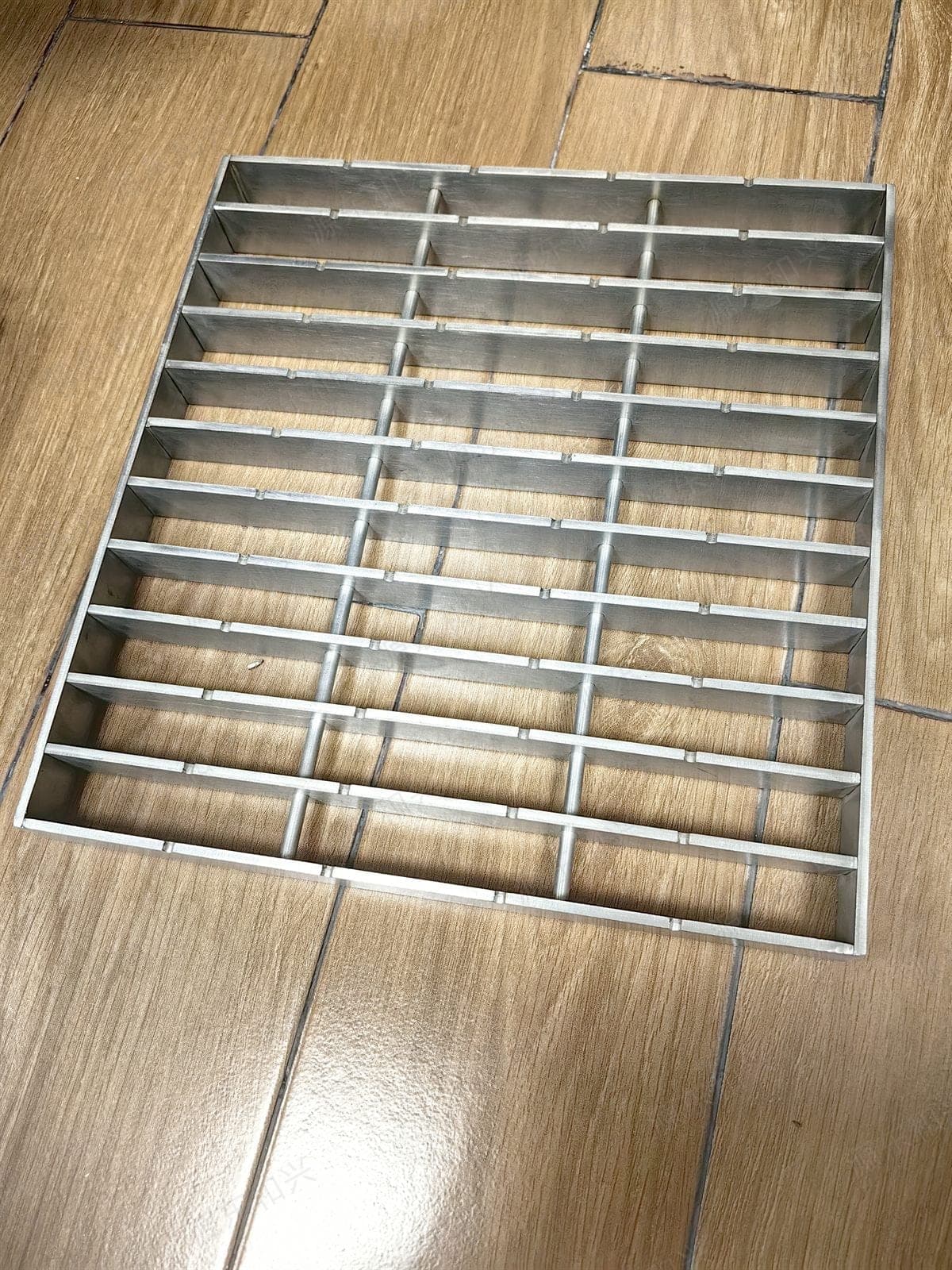
First the conclusion: the welding was done — it just lives on the back
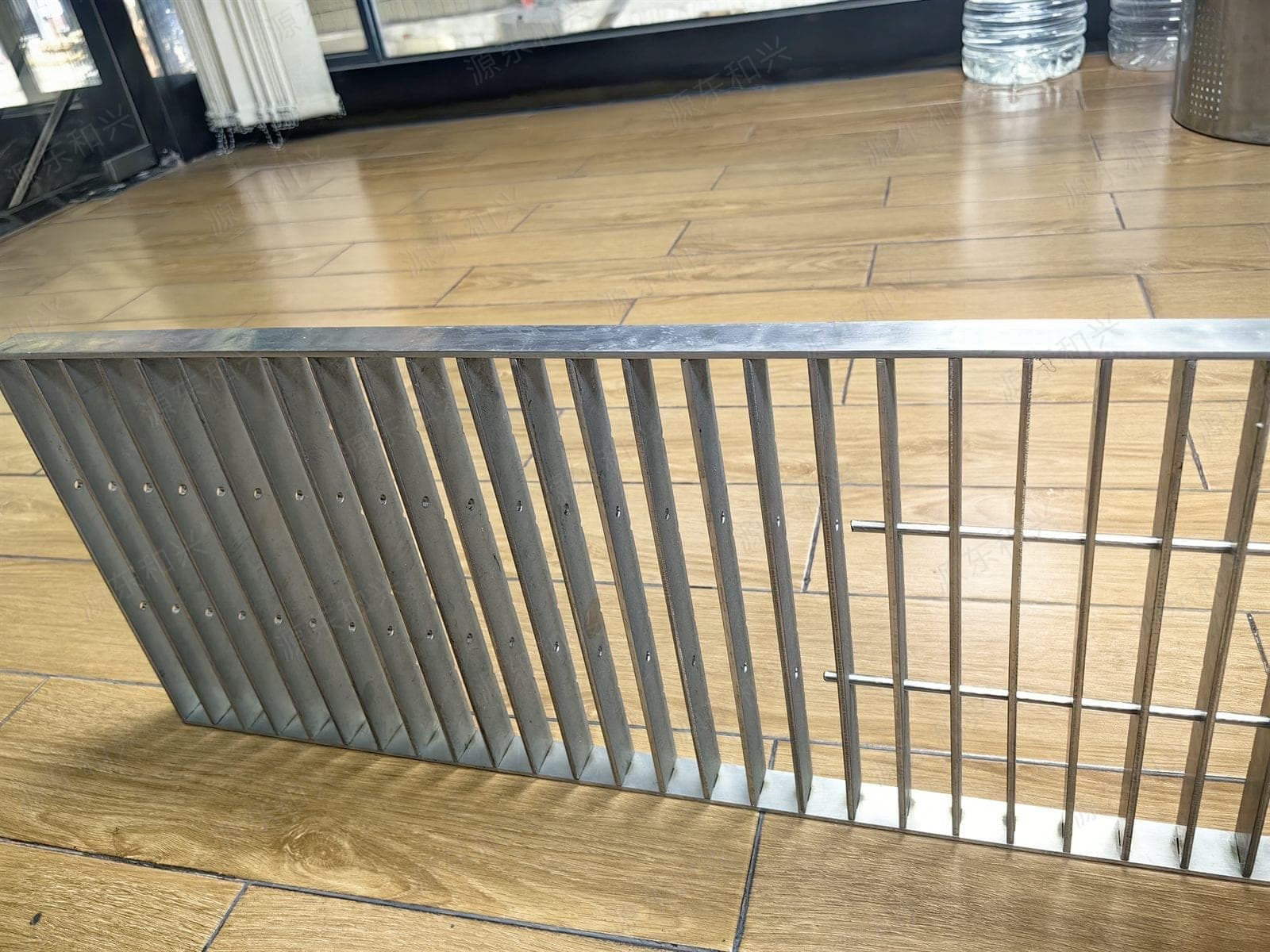
This is a Japanese customer’s drain grating order with one requirement: no weld positions visible from outside. A routine grating tack-welds the bars to the frame, so every weld sits on the front face and cannot be hidden. After several rounds of schemes, we borrowed the old carpentry idea of mortise and tenon: engage first, weld after — loads and weld fire all move to the back and inside. All five pictures here are workshop photos, shot on 24 October 2026.
The mortise-and-tenon way: insert first, weld after
Laser cutting leaves a short protruding tenon on each end of every cross bar; matching notches are cut into the frame; each bar drops into the middle of the frame and its tenons bite into the notches, so the bars stand on their own. The front keeps only clean metal faces — the load-bearing lives on the inside.
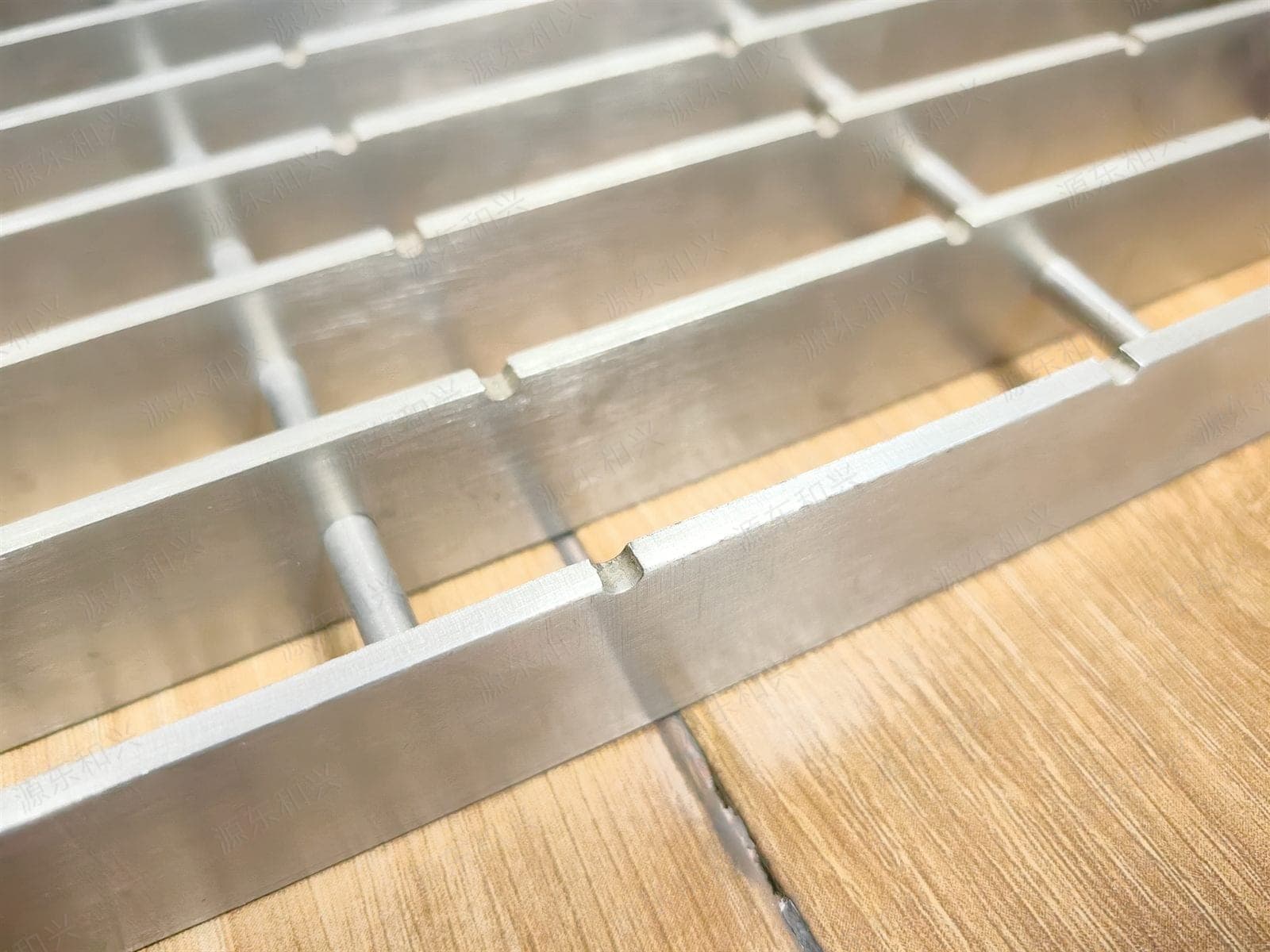
Flip it over: the welds are on this side
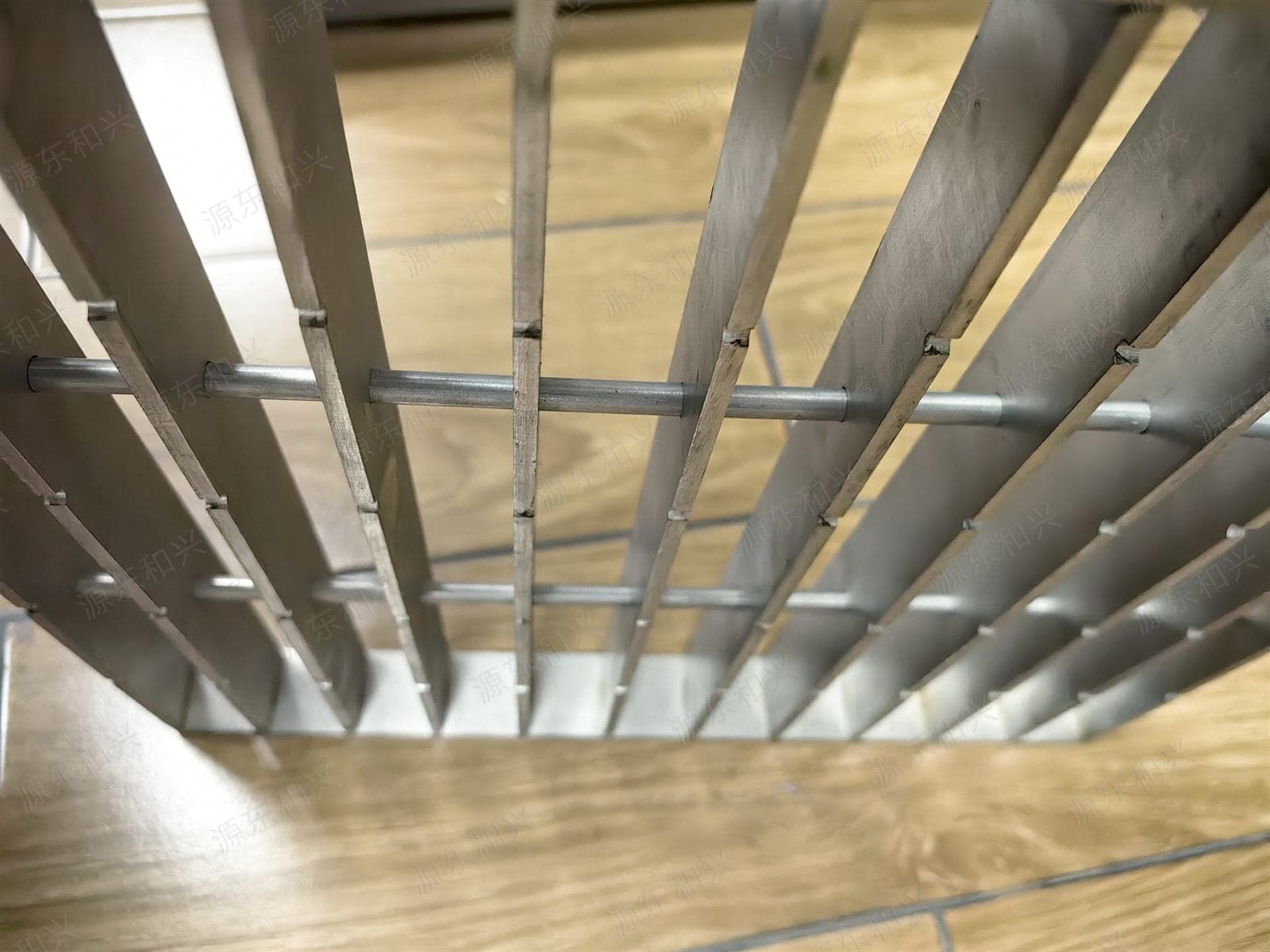
With all bars seated, the whole grating is turned over and welded from the back; round struts pass through pre-cut holes in the bars, so stiffness comes from the inside and the front never meets weld fire. The last step is grinding the frame as a whole: the frame face wraps the joints, then it is ground pass by pass — handwork, and too much force warps the frame. From the front there is only brushed grain, no weld dots. A high standard does not mean no welding; it means welding in the right place.
This order, stated plainly
| Item | This order |
|---|---|
| Material | 316L plate |
| Thickness | 6 mm, same for bars and frame |
| Process | Laser cutting + mortise-tenon fit-up + back-side welding + frame grinding |
| Front result | No weld positions visible |
| Application | Drain grating, built to the customer’s dimensions |
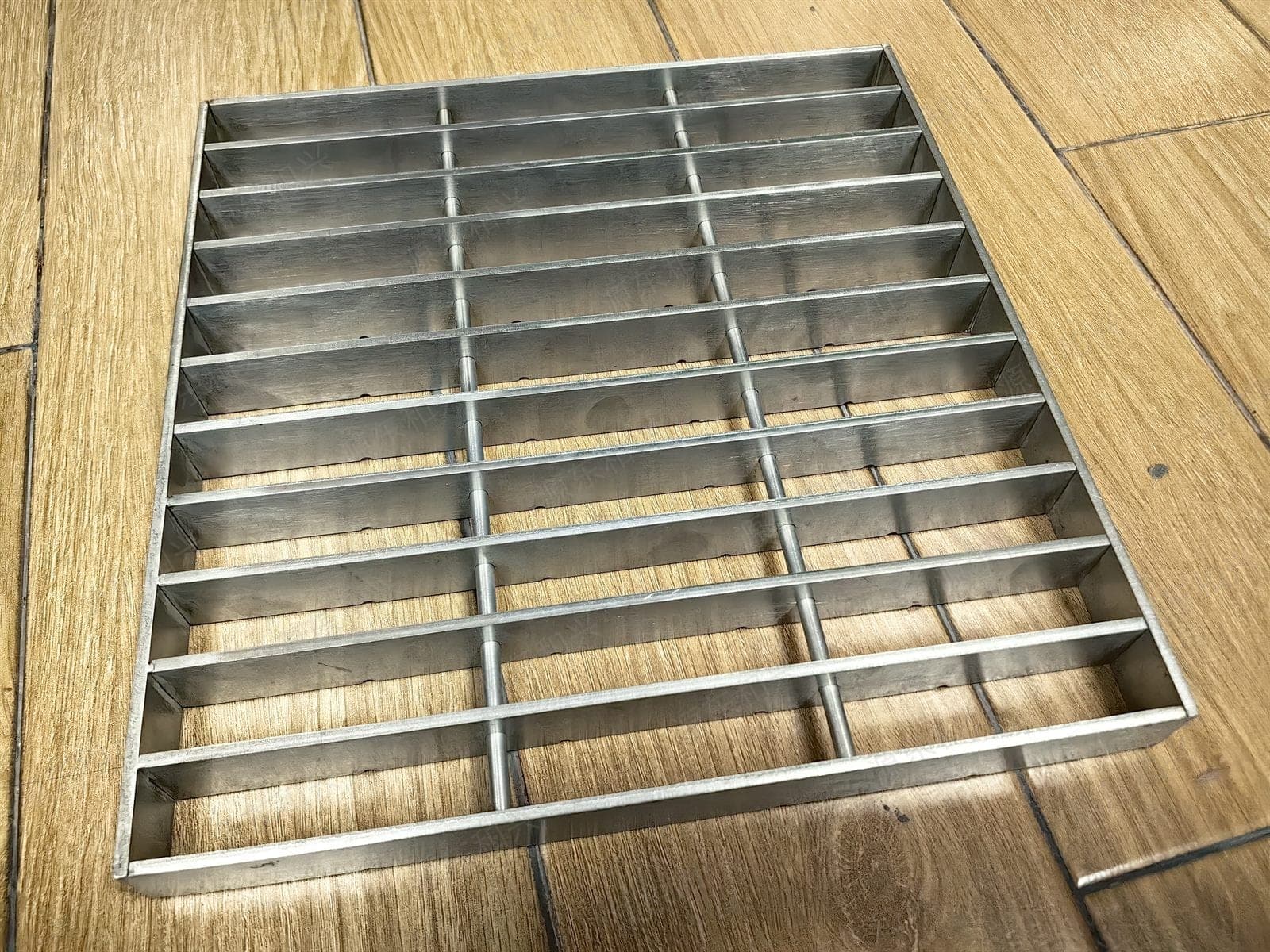
The last photo: a prototype we scrapped
This one was scrapped during R&D: precision fell short and the round rods would not pass through every hole. We do not hide the trial-and-error — even the scrapped version gets photographed. Only the version that slides through and bites tight leaves the workshop. The more specific the customer’s requirement, the stricter we have to be with precision first.
Two questions this draws
Can you build gratings like this to order?
Yes. Drain gratings, trench covers and this kind of grating panel are all built from drawings or site dimensions: grade (304/316L), thickness, bar spacing and surface finish follow the use. Send drawings or a site photo and we will answer on thickness, quantity and finish.
Why 316L rather than 304?
General materials knowledge: 304 is fine indoors and in ordinary outdoor air; by the sea or in chlorinated places (pool areas, chemical plants) chloride ions attack 304, and the molybdenum-alloyed 316L is the right call. This order used 316L because that is what the customer’s environment asked for.
One part per page
The product gallery runs one part per page: what it looks like, how it is made, and what our own output really is. The previous page covers stainless bollard styles; grade choices are in choosing the grade; gratings, covers and similar sheet-metal parts can be sent straight to Contact.
Other articles in this section
Stainless Bollard Styles: Fixed, Removable and Yellow-Black
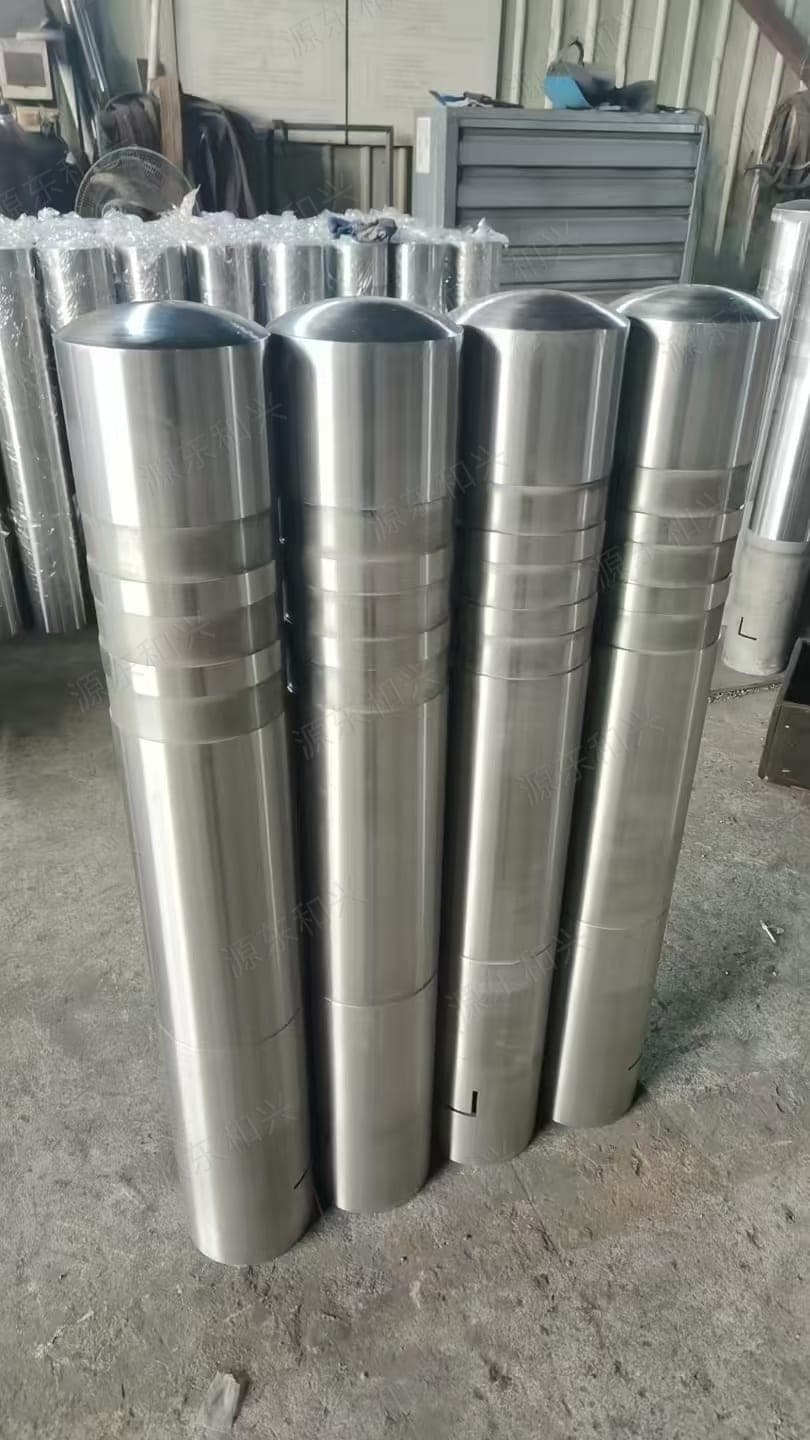
On our drawings they are called vehicle stop posts; everyone else calls them bollards. The regular styles come down to a handful: plain tube on a flange, ring-grooved posts with reflective film, yellow-black striped posts, and removable posts you pull out to let traffic through. This gallery pairs each style with a picture — three cut-out product shots of real posts, six real photos from the workshop and the sites.
The Customer Only Wanted Plate — One Extra Question Became a Tray Order
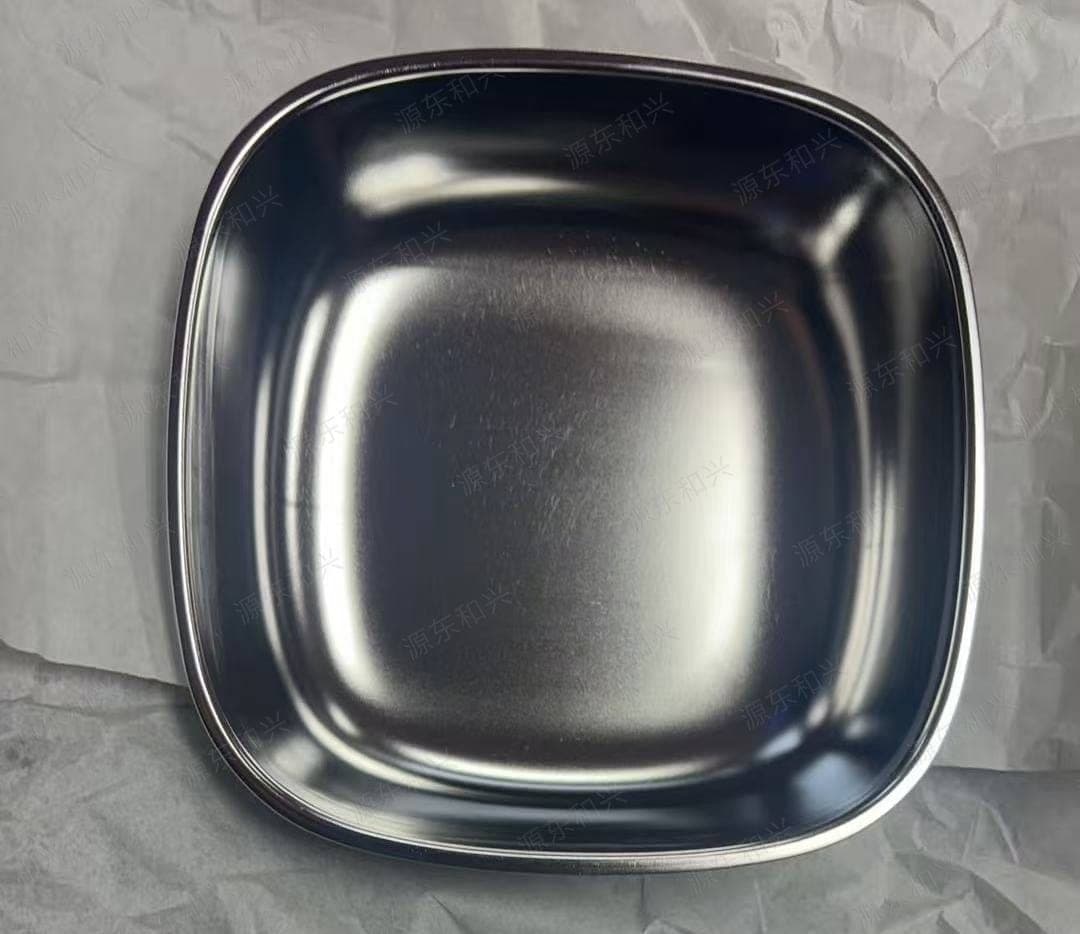
The order started as a few 200 mm × 200 mm stainless plates, dimensions stated crisply. One extra question — what is it for? — surfaced the real need: trays, with fairly high surface demands. We built the whole process plan, the customer liked it and placed a large order. 304 material; both pictures here are real photos of the customer’s sample tray, before and after our surface treatment.