
The National Standard for Testing Pitting Corrosion of Stainless Steel Is Renewed: GB/T 17897-2026
Since 1 Nov 2026, GB/T 17897-2026 "Corrosion of metals and alloys—Corrosion test for pitting corrosion" is in force, fully replacing two 2016 standards. This article covers three things: what changed, what the standard does and does not govern, and what it means when you buy stainless steel. The official screenshots lead the article.
Evidence first: the standard is on the official platform
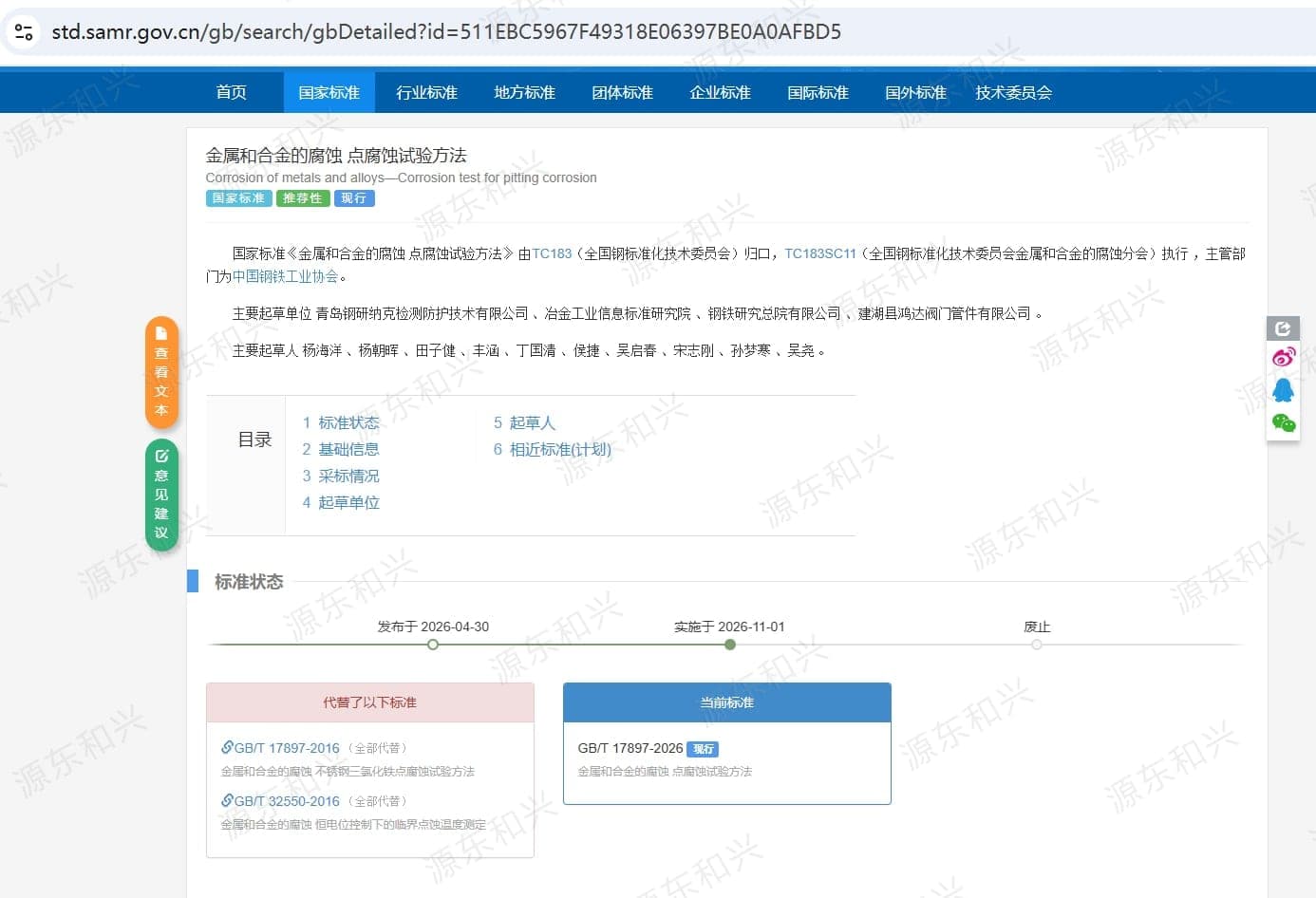
Since 1 Nov 2026, GB/T 17897-2026 "Corrosion of metals and alloys—Corrosion test for pitting corrosion" is in force, status: current. The two screenshots below come from the National Public Service Platform for Standards Information: the first shows the standard number, issue date 30 Apr 2026, implementation date 1 Nov 2026 and the current status; the second shows the timeline and the two 2016 standards it fully replaces.

What pitting corrosion is: rust often starts at one small point
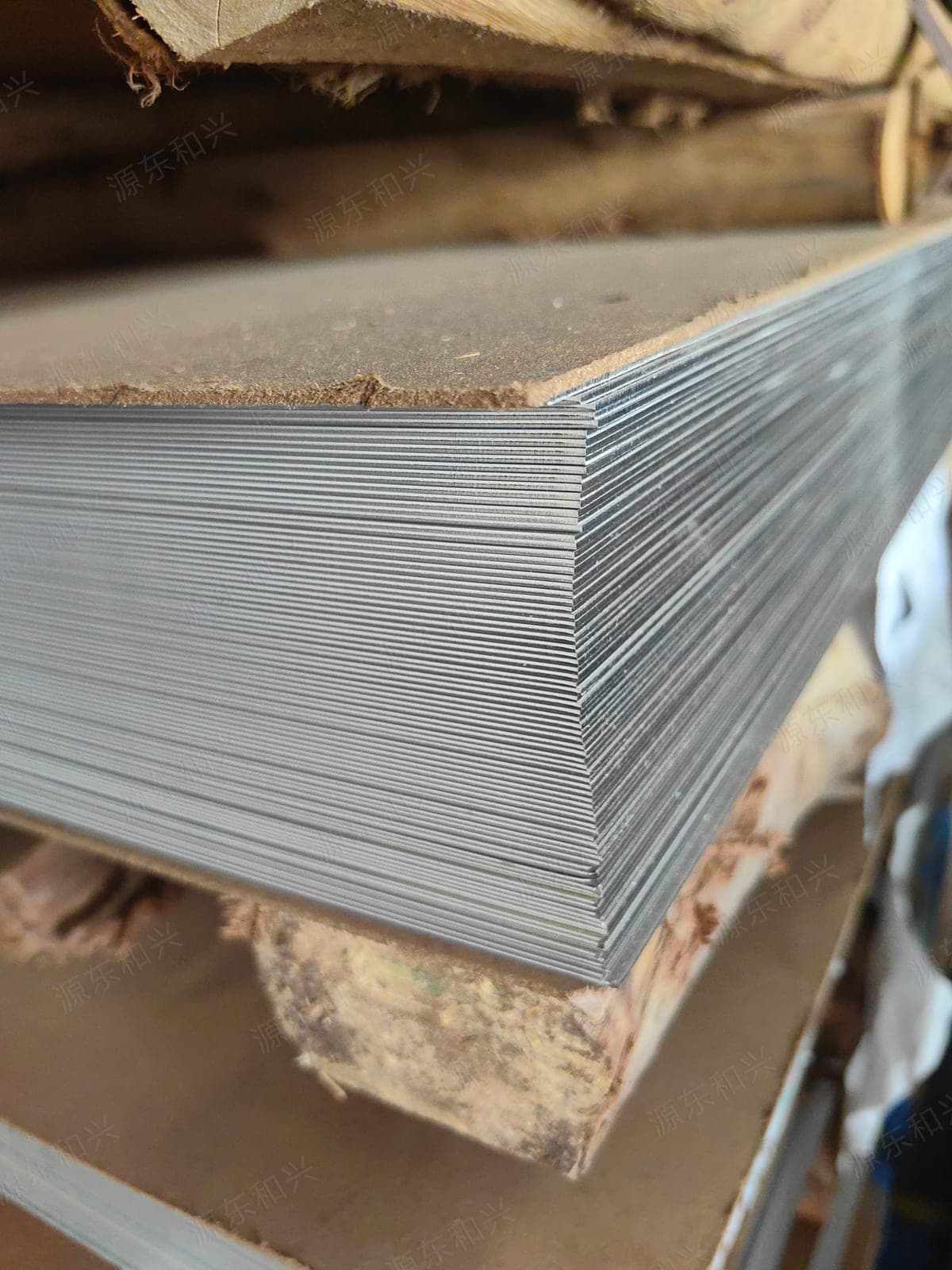
Pitting is the most common way stainless steel corrodes: not a general rust film, but small holes that start at isolated points and grow deeper — wiping the surface does not fix it. Chloride environments bring it out fastest: seaside, riverbanks, kitchen grease fumes, pool water. Whether a grade resists pitting is a question of grade versus environment, not of cleaning.
What changed: two old standards merged into one
This is not the "first ever" standard — the 2016 editions have existed for years. What happened is a revision: GB/T 17897-2016 and GB/T 32550-2016 were both fully replaced and merged into a single GB/T 17897-2026. Testing pitting resistance of stainless now has one unified national method.
| Number | Title | Status |
|---|---|---|
| GB/T 17897-2016 | Corrosion of metals and alloys — pitting corrosion test for stainless steel (ferric chloride) | Fully replaced |
| GB/T 32550-2016 | Corrosion of metals and alloys — determination of critical pitting temperature under potentiostatic control | Fully replaced |
| GB/T 17897-2026 | Corrosion of metals and alloys — corrosion test for pitting corrosion | Current (in force 2026-11-01) |
It governs how to test, not whether the steel rusts
Three things to be clear about. First, this is a test-method standard — the name says so — unifying how testing is done; it does not decree that any grade "must never rust". Whether it rusts remains a matter of grade versus environment. Second, it is a recommended national standard (GB/T), not a mandatory one; the detail page carries that exact tag. Third, the full text is under copyright (it adopts ISO/IEC standards) and is not readable online on the platform, so test steps and acceptance criteria are not quoted here — this article only uses what the official screenshots visibly state.
What this has to do with buying stainless steel
It comes down to picking the grade. "Will 304 rust?" depends on where it is used, not on slogans. In chloride environments — riverbanks, seaside, kitchens — pitting resistance runs roughly 201 < 304 < 316L (textbook knowledge). The wrong grade ruins the job no matter how big the mill; the right one is forgotten for a decade. How to match grade to environment is covered in 304 or 316L: check the chloride first.
Six grades, all in stock
| Grade | Typical use |
|---|---|
| 201 | Indoor work, tight budgets |
| 304 | The general-purpose grade outdoors |
| 316L | Seaside and chloride environments |
| 310S | Heat-resistant parts |
| 430 | Ferritic: magnetic parts |
| 409L | Ferritic: exhaust parts |
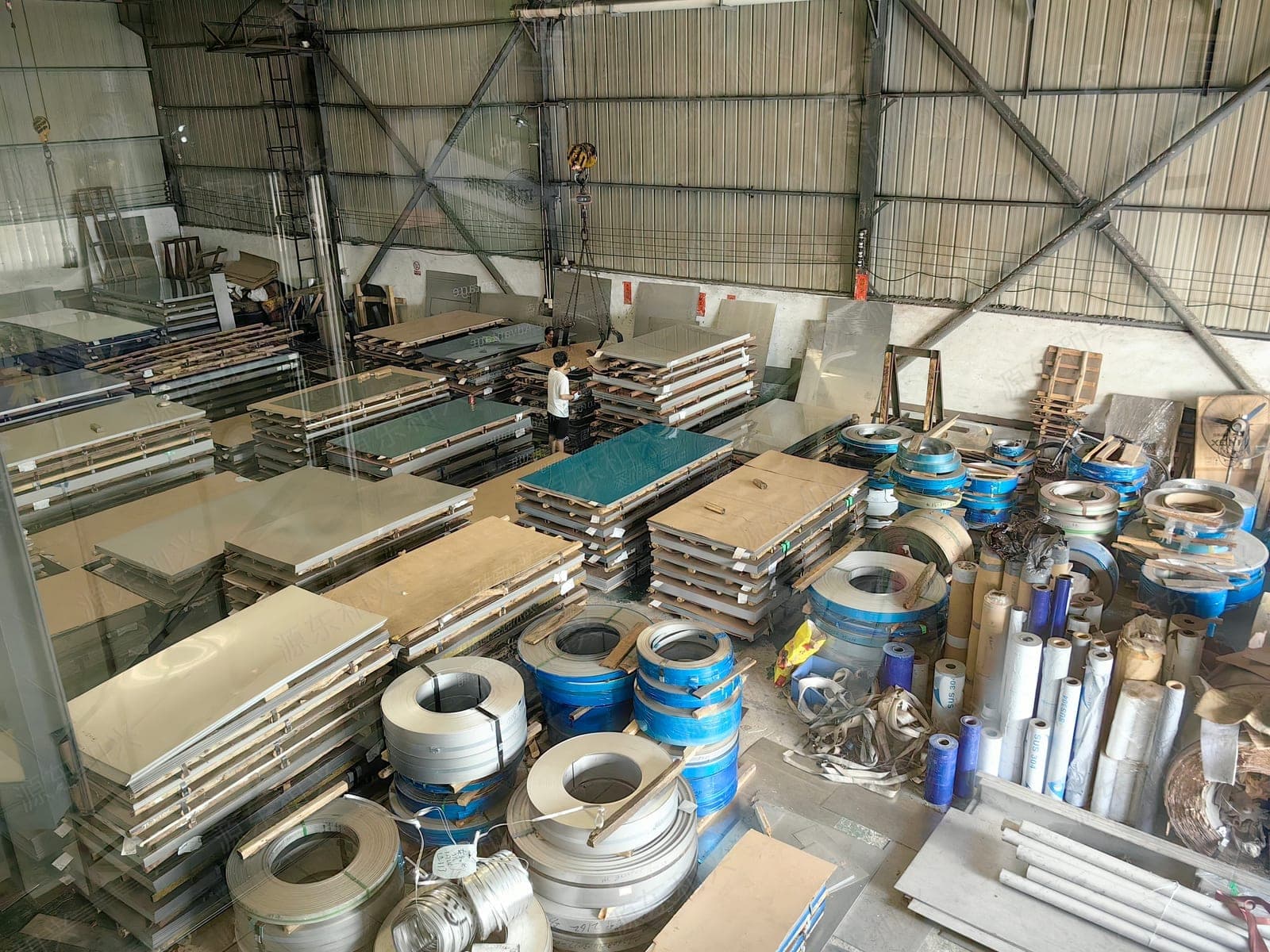
Our main lines are stainless 201 / 304 / 316L / 310S and ferritic 430 / 409L, with 2,000 tonnes routinely in stock (daily turnover in the shop-front warehouse plus backup in the public warehouse). Spell out the environment when you ask for a quote, and the grade picks itself.
Back to the riverside bollards
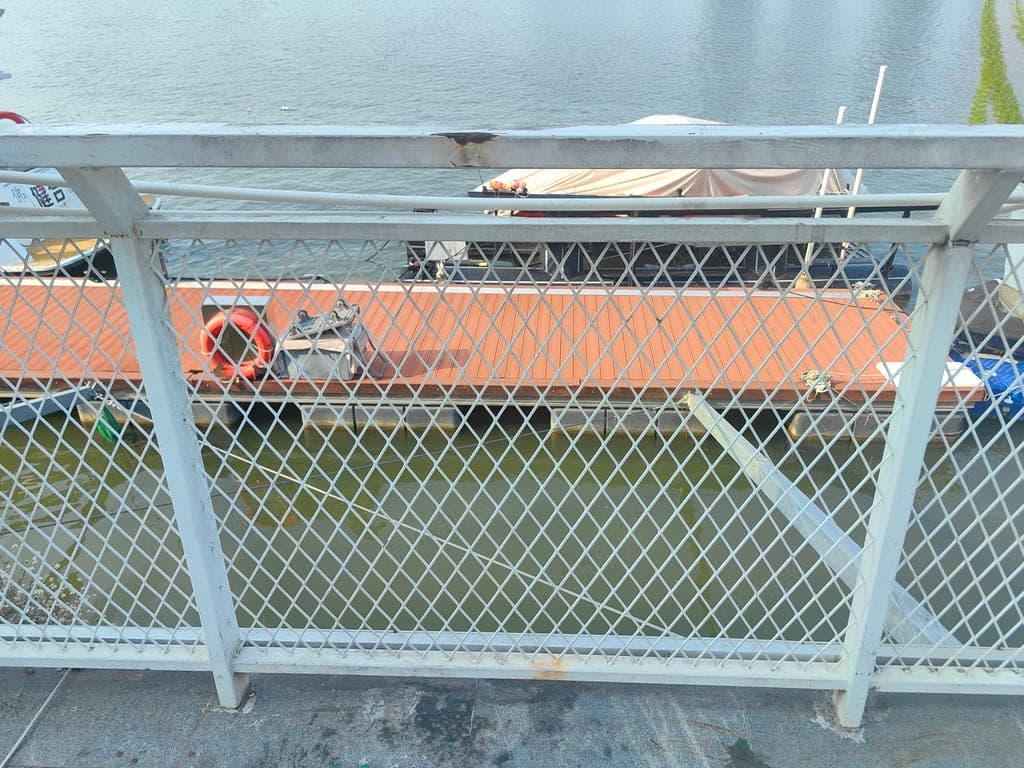
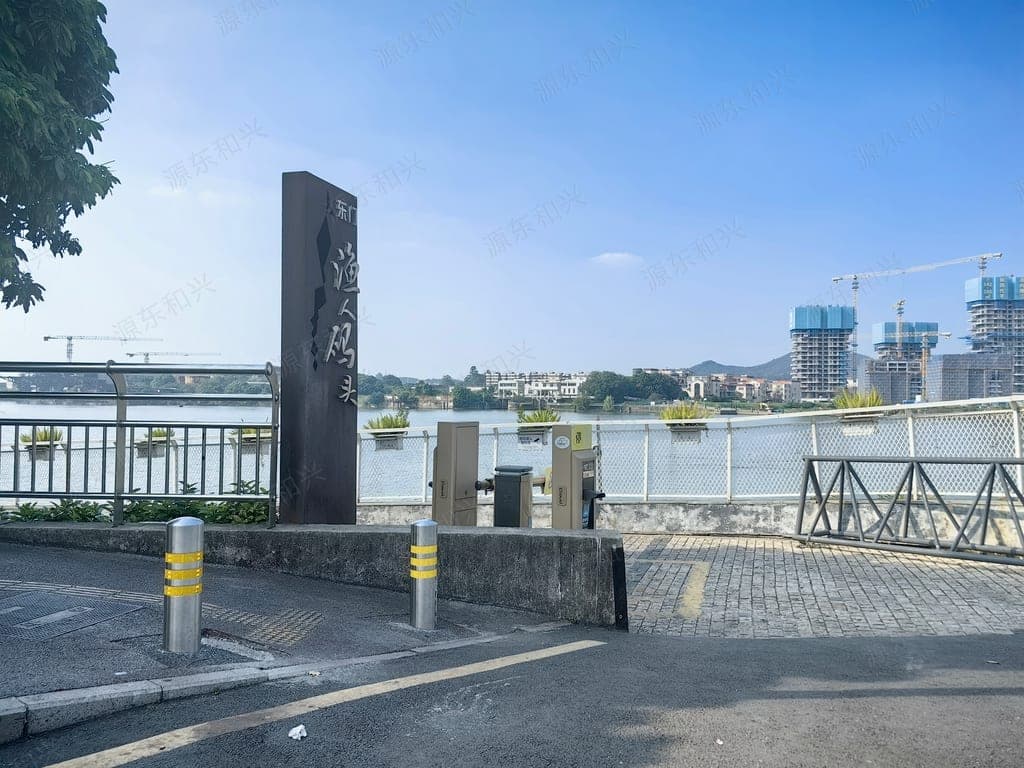
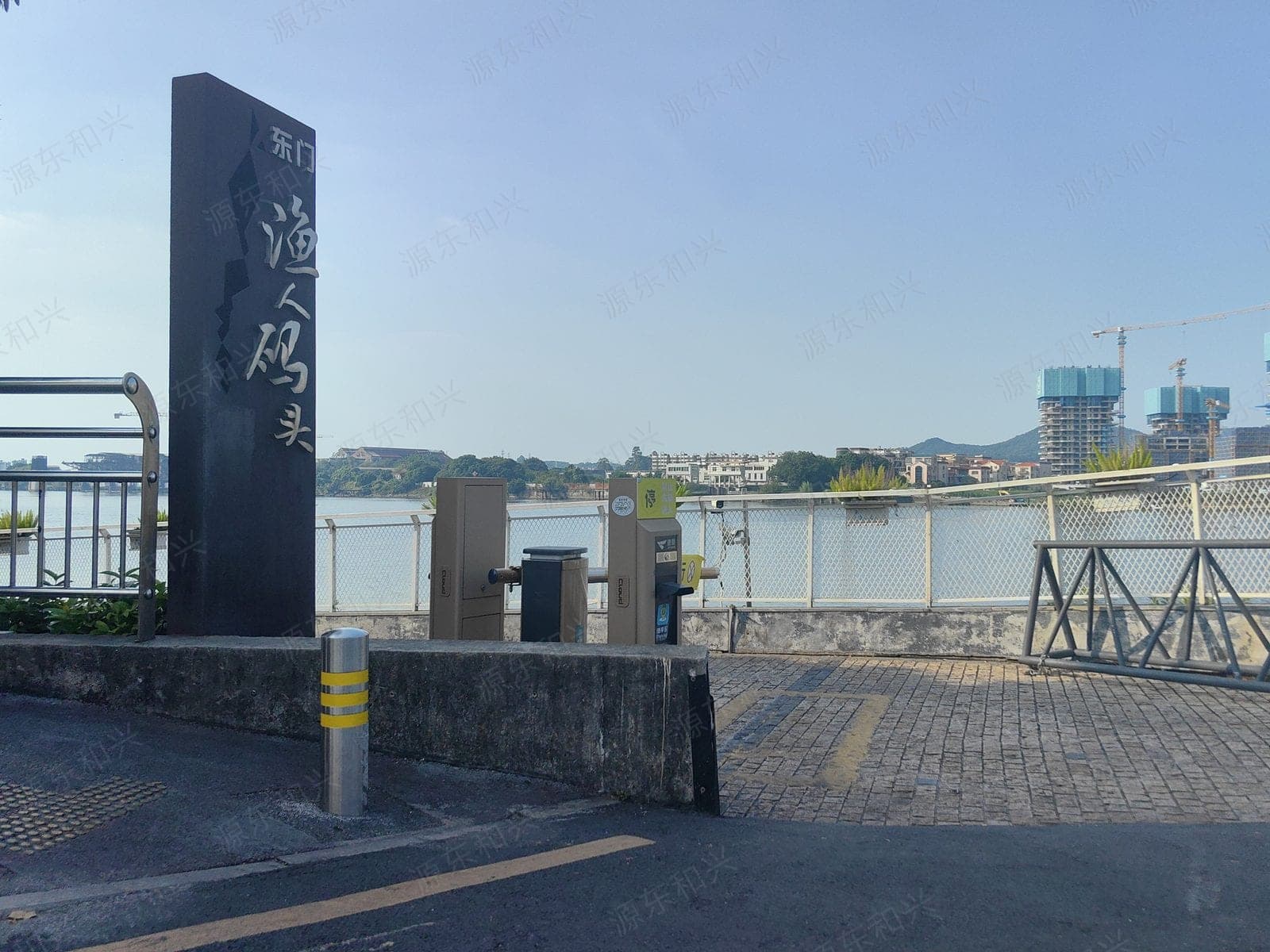
On the main drive of Shunde Fisherman’s Wharf stand 100-plus 304 bollards finished in March 2025; our re-shoot on 11 Oct 2026, after a year and seven months outdoors, found no rust — that is what we saw, not a promise for every environment. Right grade, real photo, that is the footnote. The build parameters and acceptance details are in the Wharf bollard delivery record.
Before you ask for a quote, cover these four
Where it is used (indoor / outdoor / riverside-seaside / kitchen fumes); what it touches (water, chloride, oil, acids and alkalis); what you need (grade + thickness spec); and how it is made (bending, welding, fabrication — we provide the plan). Stating the grade clearly in the contract is our most basic material promise. Testing is not something we do — run the standard tests through an accredited lab.
Common questions
Can you test to GB/T 17897-2026?
No. We supply stainless material and do sheet-metal fabrication; testing belongs to accredited labs. Our promise is simpler: the grade is stated clearly in the contract and delivered as contracted.
Was there no national standard before?
There was. GB/T 17897-2016 and GB/T 32550-2016 had long been in use; this revision replaces both fully and merges them into one GB/T 17897-2026.
Does passing the new standard guarantee no rust?
No. The standard unifies the test method; it is not a "no-rust certificate". Rust depends on whether the grade matches the environment: quote 316L for heavy chloride exposure; 201 or 304 is enough indoors.
What is the difference between GB/T and GB?
GB is a mandatory national standard; GB/T is a recommended one. This pitting-corrosion test method is recommended (GB/T) — the detail page on the official platform carries that exact tag.
Foshan Shunde: stainless sheet metal, from drawing to site
Not sure which grade your project needs? Send the environment details via Contact. More real photos are in Projects, and the material-selection rule is in 304 or 316L.
Other articles in this section
304 or 316L: choose by chlorides
How to choose between 304 and 316L for coastal, chlorinated or disinfectant service, with pitting resistance, composition and grade comparisons.